FPCCI asks govt to cut taxes, duties on POL
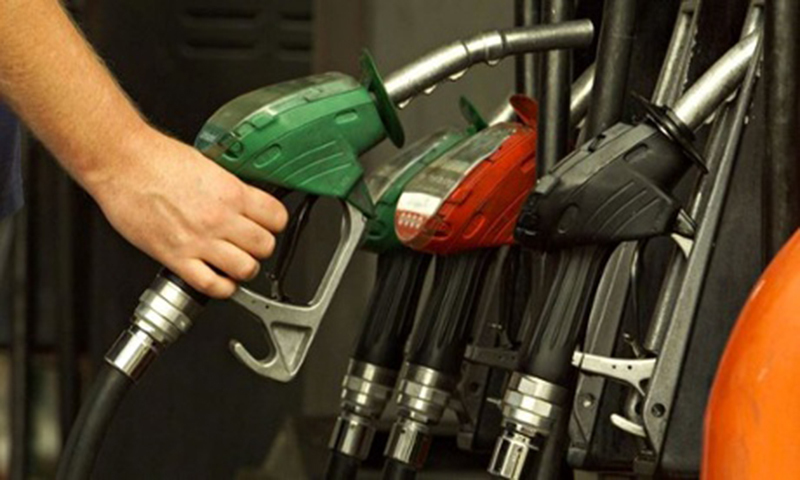

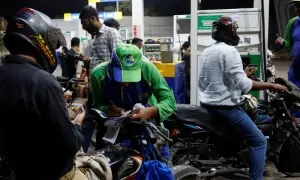
KARACHI: The Federation of Pakistan Chambers of Commerce and Industry (FPCCI) has asked the government to slash high petroleum levy and the general sales tax (GST) on petroleum products to support the industry and trade.
FPCCI President Mian Anjum Nisar in a press statement on Saturday said the petroleum levy has been kept on higher side of almost Rs30 per litre, putting an additional burden of billions of rupees on the consumers just to achieve revenue target at a time when POL prices are stable in the international market.
“The government increased the levy on petroleum products manifold to minimise its revenue losses instead of letting consumers benefit fully from the reduction in global oil prices during the pandemic-hit economic slowdown,” he said.
The FPCCI president said the trade and industry could have reaped the full benefits of the drop in global oil prices and the rates could have been reduced further if the government had not increased the levy in May this year to adjust the losses when the government had announced a sizeable cut in petroleum prices.
“This considerable reduction was withdrawn even before the end of the month but unprecedented hike in levies were not taken back, rather it was further enhanced in the coming months,” he added.
Nisar said that the government increased petroleum levy by up to another Rs7 per litre on petroleum products in September instead of providing the benefit of lowering international oil prices to the consumers and reducing the POL prices.
He said on petrol, the levy was increased by Rs6.29 to Rs27.99 per litre followed by Rs7 per litre on high-speed diesel to Rs29.95 per litre and E-10 gasoline by Rs5 per litre to Rs26.44.
He said that at a time when the country’s GDP was further stretched owing to nominal exports growth owing to high cost of doing business, the businesses need maximum relief.
For improving the cash flow of businesses at this crisis-like situation of ongoing Covid-19, the government should support the economy by cutting tax rates on all items including the POL products, he demanded.
He observed that the government has already enhanced the GST on all petroleum products to a standard rate of 17pc across the board to generate additional revenues. Earlier, the government was charging 0.5pc GST on light diesel, 2pc on kerosene, 8pc on petrol and 13pc on HSD.
A sizeable cut in POL prices would certainly bring down the cost of doing business besides making local products competitive on the world markets, he said.
Published in Dawn, November 1st, 2020