0
0


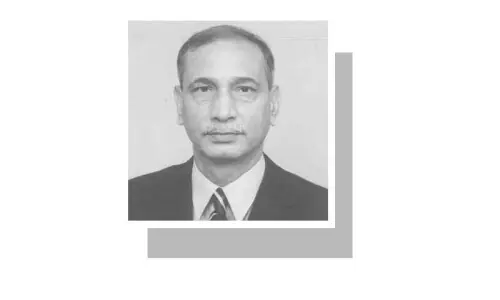
SEOUL: Lee Kun-Hee, the ailing Samsung Electronics chairman who transformed the small television maker into a global giant of consumer electronics but whose leadership was also marred by corruption convictions, died on Sunday. He was 78.
Lee died with his family members by his side, including his only son and Samsung Vice Chairman Lee Jae-yong, the company said in a statement.
Samsung didn’t announce the cause of death, but Lee had been hospitalised since May 2014 after suffering a heart attack and the younger Lee has been running Samsung, South Korea’s biggest company.
All of us at Samsung will cherish his memory and are grateful for the journey we shared with him, the Samsung statement said. His legacy will be everlasting.
South Korean President Moon Jae-in sent senior presidential officials to pass a condolence message to Lees family at a mourning site. In the message, Moon called the late tycoon a symbol of South Korea’s business world whose leadership would provide courage to our companies at a time of economic difficulties caused by the coronavirus pandemic, Moons office said. Lee’s family said the funeral would be private but did not immediately release details.
Lee inherited control of the company from his father, and during his nearly 30 years of leadership, Samsung Electronics Co. became a global brand and the world’s largest maker of smartphones, televisions and memory chips. Samsung sells Galaxy phones while also making the screens and microchips that power its major rivals Apples iPhones and Google Android phones.
Its businesses encompass shipbuilding, life insurance, construction, hotels, amusement parks and more. Samsung Electronics alone accounts for 20pc of the market capital on South Korea’s main stock exchange.
Lee leaves behind immense wealth, with Forbes estimating his fortune at $16 billion as of January 2017. His death comes during a complex time for Samsung.
When he was hospitalised, Samsung’s once-lucrative mobile business faced threats from upstart makers in China and elsewhere. Pressure was high to innovate its traditionally strong hardware business, to reform a stifling hierarchical culture and to improve its corporate governance and transparency.
Like other family-run conglomerates in South Korea, Samsung has been credited with helping propel the country’s economy to one of the worlds largest from the rubbles of the 1950-53 Korean War. But their opaque ownership structure and often-corrupt ties with bureaucrats and government officials have been viewed as a hotbed of corruption in South Korea.
Lee Kun-Hee was convicted in 2008 for illegal share dealings, tax evasion and bribery designed to pass his wealth and corporate control to his three children.
Published in Dawn, October 26th, 2020