1
1

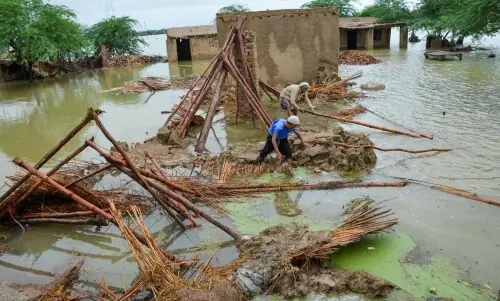
GENEVA: In the wake of heat waves, global warming, forest fires, storms, droughts and a rising number of hurricanes, the UN weather agency warned on Tuesday that the number of people who need international humanitarian help could rise 50pc by 2030 compared to the 108 million who needed it worldwide in 2018.
In a new report released with partners, the World Meteorological Agency says more disasters attributed to weather are taking place each year. It said over 11,000 disasters have been attributed to weather, climate and phenomena like tsunamis that are related to water over the last 50 years causing two million deaths and racking up $3.6 trillion worth of economic costs.
In one hopeful development over that period, the average number of deaths from each separate weather disaster per year has dropped by one-third, even as the number of such events and the economic costs from them have both surged.
The 2020 State of Climate Services report, compiled by 16 international agencies and financing institutions, calls on governments to put more money into early-warning systems that can improve countries ability to prepare for, respond to and mitigate the impact of such natural disasters.
While Covid-19 generated a large international health and economic crisis from which it will take years to recover, it is crucial to remember that climate change will continue to pose an on-going and increasing threat to human lives, ecosystems, economies and societies for centuries to come, said WMO Secretary General Petteri Taalas.
Recovery from the Covid-19 pandemic is an opportunity to move forward along a more sustainable path towards resilience and adaptation in the light of anthropogenic climate change, he said.
Taalas, responding to a question from China’s CCTV network at a news conference, also hailed a great announcement from Chinese President Xi Jinping last month that his country plans to become carbon-neutral by 2060. Taalas noted investments in renewable energy programs like solar and wind in China, the source of one-fourth of global carbon emissions largely due to coal-fired power plants.
Published in Dawn, October 14th, 2020