US invites Iran to Afghan peace talks


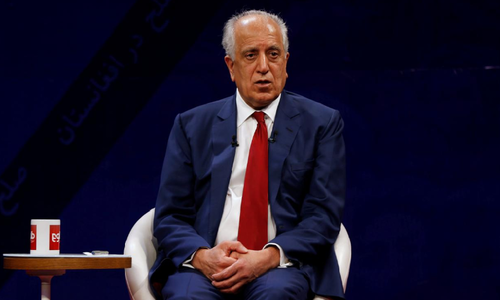
WASHINGTON: The United States has invited Iran to join the Afghan peace talks and is also willing to invest in infrastructure projects linking Central Asia to Pakistan, says Zalmay Khalilzad.
At a Webinar in Washington this week, US Special Representative for Afghanistan Reconciliation also said that the Pakistani leadership “has been sending the right messages” for the success of Afghan peace talks.
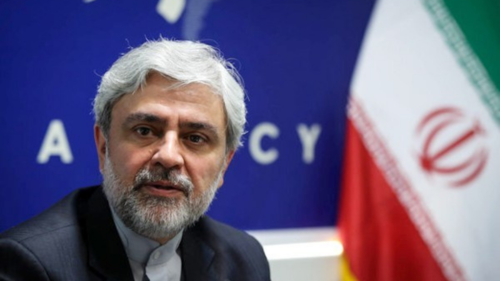
“We have offered to meet with Iranians on this issue,” said Mr Khalilzad while responding to a question about Iran’s role in the Afghan peace process. “That they should join various fora, where we are and they are too, to discuss the future of Afghanistan.”
But the envoy, who leads US efforts for peacefully ending the Afghan war, also acknowledged that “Iran is a bit of a challenge”.
Khalilzad says Washington is willing to invest in infrastructure projects linking Central Asia to Pakistan
And “not because so much of Afghanistan, ... but because of the state of our relations with Iran,” he added. “I think Iran would like to keep us entangled in a conflict without winning or losing but paying a high price in Afghanistan until there is an agreement between the US and Iran.” Mr Khalilzad, however, warned that the US would respond if Iran-backed groups in Afghanistan acted against America and its coalition partners. “We are monitoring them very closely,” he said, adding that “there have been occasionally disturbing actions that have had a negative impact”.
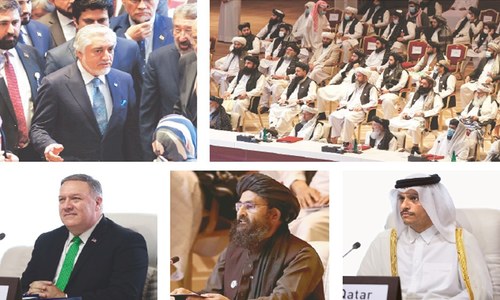
Iran has denounced the US-Taliban peace deal signed in Doha, Qatar, in February this year. Mr Khalilzad played a key role in concluding the agreement, which envisions a US pullout from Afghanistan next May. The US envoy also praised Pakistan’s role in facilitating the talks that led to the deal.
Iran, however, has rejected the agreement because it believes that Washington is using it to legitimise the Taliban. Iran also has stepped up its own contacts with Afghan militants but rejects Washington’s claim that Tehran encourages militant attacks on Western forces.
Asked how the US planned to pull its troops out of Afghanistan, Mr Khalilzad said “being in Afghanistan militarily is not an end in itself for the US”.
Published in Dawn, September 29th, 2020