Inflation rises to 8.6pc in June

ISLAMABAD: Inflation based on the Consumer Price Index (CPI) inched up to 8.6 per cent in June from 8.2pc in May on the back of a jump in prices of essential food items, showed data released by the Pakistan Bureau of Statistics (PBS) on Wednesday.
Substantial reduction in prices of petroleum products and improvement in the supply of essential food items has dragged the overall inflation down to single digit in the past few months.
However, the prices of a few food items witnessed a slight increase in June. Inflation during the month under review fell to ten-month low since the calculation methodology was changed last year. In July 2019, the price levels rose by 8.4pc.
The average CPI inflation between July-June FY20 rose to 10.74pc, from 6.8pc — highest since 2011-12 when it stood at 11.01pc.
In the pre-Covid-19 situation, the International Monetary Fund had estimated that the country’s inflation may rise as high as 13pc. However, in the Pakistan Economic Survey 2019-20, the government also projected the annual inflation in the outgoing fiscal year to ease at 10.7 pc, down from the earlier projection of 11.8pc.
The Covid-19 outbreak has weakened consumer demand putting downward pressure on commodity prices but there are risks of supply disruptions.
On the other hand, the government’s action against hoarders and providing maximum relief to the public through various packages including subsidised selling of goods at utility stores helped improve supply and control price hike.
The government has also taken several policy, administrative and relief measures to help bring down inflation to single-digit.
The rate during the month of May clocked in at 8.2pc, falling for the fourth successive month in a row.
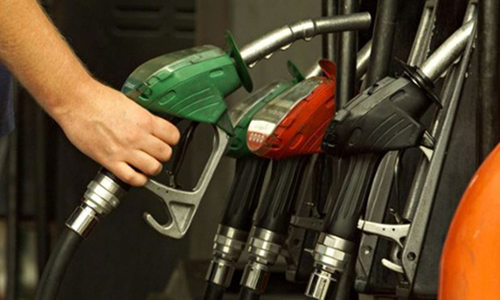
The government also announced an economic relief and stimulus package and reduced rates of petroleum products in March, April, May, and June. The reduction in petroleum prices further decelerated the inflation rate as evident from the June numbers.
Food inflation is still in double-digits, posting an increase in June despite a drop in overall price levels. In urban areas, it rose by 12.9pc in June on a yearly basis and 1.8pc on a monthly basis, whereas the respective price level jumps in rural areas stood at 15.2pc and 2pc.
In urban areas, food items which saw an increase in prices in June from the previous month included eggs, up 21.71pc, tomatoes 13.09pc, wheat flour 11.92pc, wheat 10.83pc, condiments and spices 5.44pc, fresh vegetables 4.05pc, potatoes 2pc and chicken 1.54pc.
The items whose prices declined in urban areas were: onions 17.07pc, pulse gram 5.84pc, fresh fruits 4.36pc, besan 4.18pc, pulse masoor 3.57pc, gur 3.08pc, pulse mash 2.98pc, pulse moong 2.63pc and gram whole 1.06pc.
In rural areas, price increase were seen in eggs, up 13.15pc, tomatoes 12.31pc, wheat flour 10.43pc, wheat 9.61pc, potatoes 7.34pc, chicken 4.13pc, pulse mash 3.07pc, gur 2.27pc, milk fresh 2.04pc, and rice 1.63pc.
On the other hand, drag on price levels came from onions, down by 25.4pc, fresh fruits 5.99pc, pulse gram 3.57pc, besan 2.56pc, pulse masoor 1.62pc, gram whole 1.41pc, and fresh vegetables 1.27pc.
The non-food inflation in urban centres was recorded at 4.7pc year-on-year, while it edged lower by 0.7pc on a monthly basis whereas in rural areas, it rose by 5.8pc and fell by 0.6pc, respectively.
The decline in non-food inflation is mainly driven by a drop in oil prices over the past few months. The government claimed that Pakistan has the cheapest fuel cost in June compared to other states in South Asia.
The urban consumer price index covers 35 cities and 356 items, while the rural one tracks 27 centres and 244 items. The former grew by 7.6pc year-on-year in June, whereas the latter jumped by 10pc.
Published in Dawn, July 2nd, 2020