LAHORE: Almost five million households – who have a family member abroad – can be impacted by a fall in remittances to Pakistan.
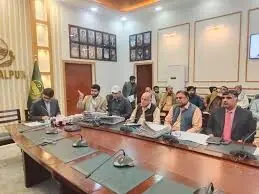
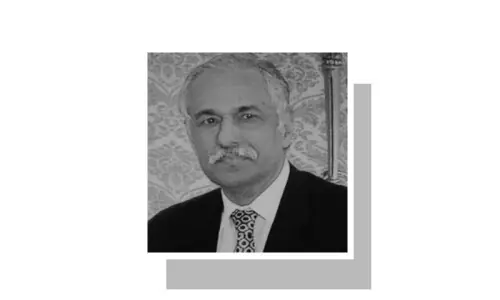
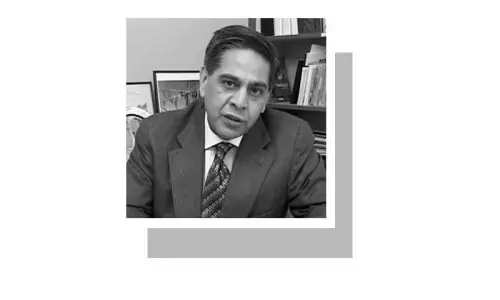
The situation was described by Dr Rashid Amjad, Centre on International Migration, Remittances and Diaspora director, at a webinar by CIMRAD and the Lahore School of Economics on Wednesday.
The discussion highlighted the impacts of the pandemic on the current situation of overseas Pakistani workers and the government efforts to facilitate their orderly and safe return.
Kashif Noor, Bureau of Emigration and Overseas Employment director general, spoke about the role of the government agencies working for a smooth reabsorption of returnees. He said that the Gulf and other countries had increasingly competitive job markets.
Dr Piyasiri Wickramasekara, an international migration expert, emphasized the need for facilitating the overdue payments of workers and the protection of migrants in an irregular situation.
Remittances have been a lifeline for the Pakistani economy since several years. The Covid-19 pandemic is expected to significantly dampen these flows as economic activity in countries from which majority remittances are received shrinks.
One participant presented projections for future remittance flows, that are expected to decline by 21.2 percent in 2020 and 19.4 percent in 2021, from the earlier projections. Asma Khalid, senior economist at the State Bank of Pakistan, said that the impacts of Covid-19 on remittances would be felt after June, and will be visible in the next 12 to 18 months.
Pakistan is one of the major countries sending workers to the Gulf region, especially Saudi Arabia and the UAE. It sent a record one million migrant workers in 2015, followed by a major annual decline until the numbers increased to more than 600,000 in 2019.
Dr GM Arif said the pandemic was likely to cause a big decline in new outflows, in addition to the large influx of returnee workers. As many as one million migrant workers may be expected to return, primarily to Punjab and Khyber Pakhtunkhwa.
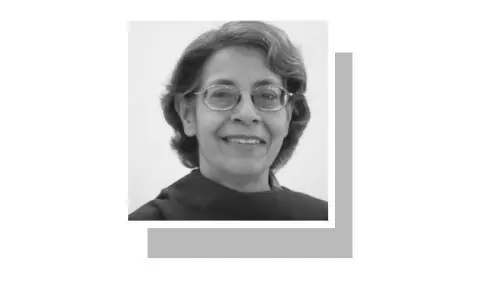
Dr Nasra Shah spoke on the Kafala system in the Gulf and the global anti-immigration attitude in host countries.
Published in Dawn, July 2nd, 2020