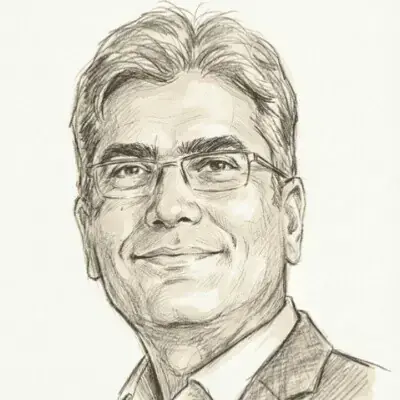
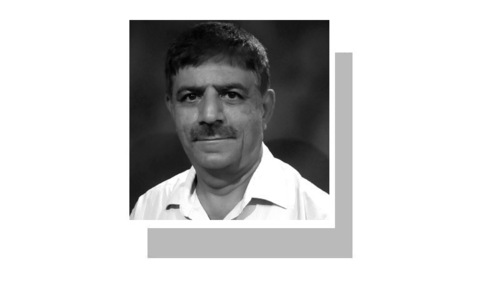
HYDERABAD: Eminent author, historian, intellectual and translator Atta Mohammad Bhambhro died in his village Bachal Bhambhro, Hingorja, in Khairpur district on Wednesday after a brief illness. He was 84.
Bhambhro authored many books on Sindh’s history, civilisation and Indus script besides translating several books in different languages. He devoted his entire life to promoting Sindhi literature and even after having suffered from weak eyesight, he continued with his research work.
Among his many books are: Hur Guerrilla Tehreek, Sindh Ji Fateh, America Ja Sindhi, Bhit Jo Shah, Indus Script, Sindhu Jo Safar, Sindh Jo Mehran, Sindhu Likhat Jo Bainul Aqwami Likhatun Saan Lagapo, Sindh Main Qadeem Khandran Ji Khotai, Sindh Main Angrezan Ji Hikmat-i-Amli and Sindh Sheehn Darya.
Bhambhro was born on Feb 1, 1936 in Bachal Bhambhro village and got his primary education there. He then got associated with legal profession and worked as junior of Shaikh Ayaz — Sindh’s great poet and lawyer — in 1975. He maintained a safe distance from being conferred different awards throughout his life and even declined to be conferred with presidential award during the Pervez Musharraf regime. His argument behind the refusal was that his young son, Raja Dahar, was picked up by unidentified persons and then his body, with torture marks, was found.
He was, however, recipient of Sindh Taraqqi-pasand Party’s ‘Madar-i-Watan award’. Bhambhro spent most part of his life in Hyderabad city with his elder son, Abdul Haq Bhambhro, now a retired employee of culture department. He has left behind a widow, a son and three daughters. Ghulam Mustafa Bhambhro, another son of his, also died within his life.
“Atta Mohammad Bhambhro’s death has saddened everyone in Sindh,” said noted writers Ghulam Mohammad Lakho, Wali Ram Walbh, Taj Joyo, Ayaz Gul, Adal Soomro, Qurban Mangi, Akhtar Dargahi and others, who described his death as a great loss to Sindh’s literature.
In his written volition, he had wished he should be laid in his grave in a manner that his lips kissed the soil of Sindh. He had also shared his will with his friends.
In around 1968, Bhambhro had started publishing a magazine Hoshu which was banned in 1974 under the Defence of Pakistan law. His pieces were published in this and several other magazines. The printing press that used to publish the magazine was sealed and he also went underground.
Bhambhro translated Iran’s children’s literature in 1980. He also translated Russian literature into English.
He had produced poetry on Movement for the Restoration of Democracy (MRD) focusing on those who had lost their lives in the movement.
Bhambhro translated a book on Sindh’s heritage titled Sindh Ja Qadeem Asaar when he settled in Hyderabad in 1989 and then translating literature became his regular job. He had already translated around 100 books into Sindhi and many of them were published. Some are still pending publication.
Some of his translated works included Sindhu Likhat Ayein Boli, Sindh Ji Tareekh Moarukhan Ji Zubani, Sikandar Ji Kaah, Sindhu Jo Moh, Tareekh Ja Sabaq, Sindh Ja Qadeem Aasar, Thatte Ja Islami Darsgah, Thatte Ja Katib, Sindh Jean Moon Dithi, Sindhu Kinare Wisaryal Shehar, Sindh Dukhoyal Mathri and Sindh Hind Ji Qadeem Geography.
Literary figures of Sindh, nationalist activists and people from all walks of life attended Atta Mohammad Bhambhro’s funeral in a large number in Bachal Bhambhro village on Thursday, our Khairpur correspondent adds. Prominent among them were eminent writer Taj Joyo and Jeay Sindh Qaumi Mahaz (JSQM) leader Niaz Kalani.
Before his burial in the village, Sufi singers recited mystic poetry at some distance from his house to pay homage to the departed soul.
His son Abdul Haq Bhambhro briefly recalled his father’s great contributions to Sindhi literature and other fields. He said his father never used his pen and brain for money but only for humanity and his motherland. He disclosed that his father’s will was that his grave be chained with a lock as he was a “slave of his soil”.
Published in Dawn, June 5th, 2020