Sindh govt allows three hospitals to begin clinical trials of plasma therapy to treat Covid-19 patients



KARACHI: Following the successful recovery of the nation’s first coronavirus positive patient in March and the donation of his plasma for the treatment of critically-affected people through passive immunisation, the Sindh government on Thursday allowed three hospitals in the province to carry out clinical trial of the process experts believe could become a breakthrough for the treatment of people affected by Covid-19.
A notification issued by the Sindh health department said that two hospitals — one each in public and private sector — the Dr Ruth Pfau Civil Hospital Karachi and the National Institute of Blood Diseases (NIBD) also in Karachi along with the Liaquat University Hospital, a government facility in Hyderabad, were designated for “experimental use of Covid-19 Convalescent Plasma for Passive Immunisation in the current pandemic of Corona disease”.
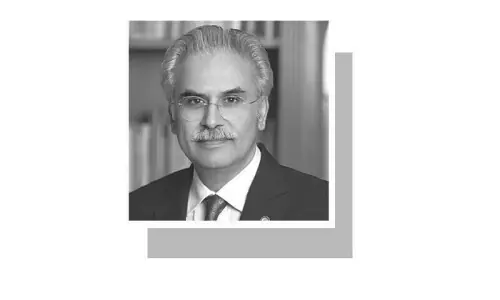
The federal government in the first week of April approved clinical trials of the plasma therapy. This way of treatment was actually proposed by Dr Tahir Shamsi of the NIBD, who sought government approval to infuse Covid-19 patients with blood plasma of those who have recovered from the illness in a bid to save the lives of coronavirus patients.
Vast PAF Museum selected to set up another field hospital
“The Clinical Study Committee (CSC) of Drap [Drug Regulatory Authority of Pakistan] allowed clinical trials of convalescent plasma for the purpose of passive immunisation during the Covid-19 pandemic in Pakistan,” said a Drap statement last month while announcing permission for the clinical trial. “The application was submitted by Professor Dr Tahir Shamsi, principal investigator and chairman of the National Institute of Blood Diseases and Bone Marrow Transplantation, Karachi. In this study, convalescent plasma from recovered Covid-19 patients would be injected into the bodies of moderate and severe patients for the purpose of passive immunity for the treatment and to prevent these patients from going on ventilators.”
The Sindh health department notification said that a team of experts, including a physician, an infectious diseases specialist, an intensive care unit specialist, a consultant haematologist, a transfusion specialist and representatives of the Sindh Blood Transfusion Authority (SBTA), would supervise the process at the three designated hospitals.
Dr Shamsi welcomed the Sindh government’s move and said that under the defined protocols and procedures, he and his team would carry out clinical trials of passive immunisation, which would take up to two months to complete.
“We plan to treat total 350 patients under these trials process,” Dr Shamsi told Dawn. “Under the defined rules and protocols, we would keep updating Drap about the emerging results. After every 10 patients, the authorities would be briefed on the updates and results. With three these centres in Sindh, we have centres in other cities of the country as well where we are going to carry out these trials under the Drap approval. We hope to complete the job within two months.”
Answering a question about the mechanism of collection of plasma from the recovered patients of Covid-19, he said one could not force anyone and only expected the initiative from those who themselves wanted to volunteer and contribute to the national interest.
“The donation of blood, plasma or anything which relates to the health of anyone or cure is a matter of one’s choice,” he said. “It’s only a voluntary option and we expect people who have recovered from this disease [Covid-19] would come forward and help their brothers and sisters who need their help. I request them all to contact any of the designated hospitals for it.”
Another field hospital
The Sindh government has decided to set up another field hospital for the patients of coronavirus, this time choosing the expansive PAF Museum off Sharea Faisal for the second facility of its kind.
A statement issued by the office of the chief secretary of Sindh said that among the several other measures, a certain amount of money had already been set aside to set up the facility at a faster pace at the PAF Museum.
“Sindh Coronavirus Emergency Fund Committee, headed by Sindh Chief Secretary Syed Mumtaz Ali Shah, in its 10th meeting on Thursday sanctioned Rs30 million for establishing a 300-bed Field Hospital at PAF Museum Karachi,” said the statement. “The committee also approved Rs720 million out of the Emergency Fund for purchasing the laboratory equipment, PPE, machinery and other required medical equipment, while Rs500 million [has been taken] out of the health department’s budget for upgrading various public sector hospitals across the province.”
It said that the finance secretary briefed the committee on details of the fund collection. According to him, the statement said, Rs3.5 billion was collected as the Coronavirus Emergency Fund. The number of private donors stood at 1,000, it said and added that overseas Pakistanis had donated Rs14.6m through the I-Care and the names of all the donors were displayed at the website of the provincial finance department.
“The committee also decided to write to the FBR for exempting the Coronavirus Emergency Fund from sales tax, income tax and withholding tax,” said the statement. “The chief secretary directed carrying out of a transparent audit of all the equipment purchased through the reputed audit firms and ensure proper and transparent delivery onward to the hospitals through the Chief Minister’s Inspection Team. Mr Shah also sought detailed reports in this regard in the next meeting.”
Published in Dawn, May 1st, 2020