Afghan prisoner exchanges, US peace plan threatened by coronavirus


The coronavirus pandemic threatens to unravel a US effort to end the war in Afghanistan if Taliban and government prisoners die in custody before they can be exchanged, four sources familiar with the matter said on Monday.
Keeping the US peace plan on track has acquired particular urgency as the spring fighting season nears, two sources said, given the danger that accelerating violence could make it harder to contain the Covid-19 respiratory disease caused by the new coronavirus.
While the pandemic has grounded other US envoys, Special Representative Zalmay Khalilzad last week flew to Doha, where the Taliban have an office, and Islamabad following a March 23 trip by US Secretary of State Mike Pompeo to Doha and Kabul.
“If a good number of prisoners on either side contract the disease or die in prison because of an outbreak, it will be a humanitarian issue and it will make intra-Afghan negotiations that much more difficult,” said a source familiar with the matter who spoke on condition of anonymity.
That both Pompeo and Khalilzad traveled as the Covid-19 disease spreads underscores the depth of Washington’s concerns that US President Donald Trump’s effort to withdraw US troops from Afghanistan could collapse, depriving him of a foreign policy victory to trumpet ahead of the November 3 US presidential election.
“The fact that they came to the region is a clear sign that the president under no circumstances wants this deal to collapse,” said a Western diplomat on condition of anonymity.
It was crucial for US diplomats to have face-to-face meetings to convey the gravity of the messages, the envoy added.
The US State Department did not respond to requests for comment.
A February 29 US-Taliban deal for a US troop withdrawal after more than 18 years of intervention called for the government to release up to 5,000 Taliban prisoners and the insurgents to free up to 1,000 detainees by March 10, when they were to open talks to end decades of strife.
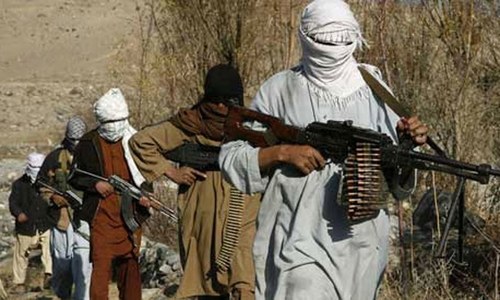
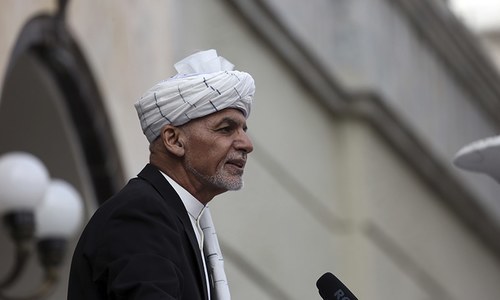
The Taliban, however, demanded Afghan President Ashraf Ghani’s government, which was not a party to that deal, release all 5,000 prisoners at once before negotiations. They have also stepped up attacks on Afghan security forces.
Ghani rejected the demand and has begun a phased release of 1,500 prisoners, while the insurgents have freed 40 detainees.
Meanwhile, the coronavirus has spread, with nearly 1,000 cases confirmed in Afghanistan, including 20 staff testing positive within the Afghan presidential palace in Kabul.
The diplomat and two other experts, also speaking on condition of anonymity due to the sensitivity of the matter, said the prisoner exchanges could be undercut by Covid-19 because its spread into jails could ignite bitter recriminations by both sides.
Accelerating the releases and tamping down rising violence as the spring fighting season nears were among Khalilzad’s main objectives when he met Taliban negotiators in Doha last week, said a former senior Afghan official.
Khalilzad has told Afghan officials that he is “incredibly worried” that the coronavirus pandemic could undermine the US-led peace process if it spreads into the prisons, the former official added.
An expert outside of the US government noted many countries have freed prisoners because of the disease and said this could be a face-saving way for Ghani and the Taliban to accelerate the releases.
This would allow Kabul to cite humanitarian grounds for freeing Taliban detainees so that “it’s not necessarily Ghani capitulating to Taliban demands", said the expert, who deals with US and Afghan officials.
“The Taliban’s prisoners are also presumably going to start dying,” he said. “Rather than losing some of their leverage, they might also want to be perceived as releasing prisoners and not be held accountable for some dying in their custody.”
The Western diplomat said that Khalilzad and Pompeo both are concerned the Taliban will launch their traditional springtime offensive that analysts warn would make it harder to contain the spread of the coronavirus.
“That’s what Khalilzad and Pompeo are determined to stop,” he said, saying Khalilzad’s April 13 visit to Doha aimed “to convey a stern message to Taliban and prevent the spring offensive".