IMF approves second tranche of $452m, says Pakistan's economic reform 'on track'
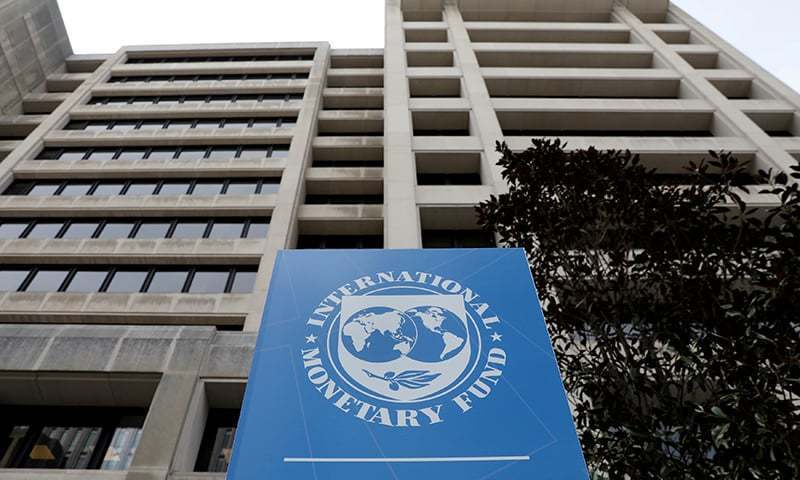


The International Monetary Fund (IMF) on Thursday approved the second tranche of $452.4 million for Pakistan under the $6 billion Extended Fund Facility (EFF), declaring that Pakistan's reform programme is "on track and has started to bear fruit".
The Fund, after completing it's first review of Pakistan under the EFF, noted that "decisive" implementation of government policies had helped preserve economic stability in the country.
The IMF package, which was approved in July this year, is an effort to revive Pakistan's ailing economy through periodic release of funds over a 39-month period, conditional on the government meeting the Fund's policy guidelines.
Following the release of the latest tranche, the total amount of money so far granted by the IMF under the current programme will rise to $1,440m.
In a press release issued earlier today, the IMF noted that the "transition to a market-determined exchange rate has been orderly [and] inflation has started to stabilise, mitigating the impact on the most vulnerable groups of the population."
The IMF further observed that the "authorities remain committed to expanding the social safety nets, reducing poverty, and narrowing the gender gap."
At the same time, however, the Fund warned that "risks remain elevated". The press release quoted IMF's First Deputy Managing Director and Acting Chair David Lipton as saying: "Strong ownership and steadfast reform implementation are critical to entrench macroeconomic stability and support robust and balanced growth."
"The authorities are committed to sustaining the progress on fiscal adjustment to place debt on a downward path," Lipton said, adding that: "The planned reforms include strengthening tax revenue mobilisation, including the elimination of tax exemptions and loopholes, and prudent expenditure policies. Preparations for a comprehensive tax policy reform should start early to ensure timely implementation."
"The flexible, market-determined exchange rate remains essential to cushion the economy against external shocks and rebuild reserve buffers," he suggested.
Lipton also pointed out that "faster progress [was] needed to improve the AML/CFT framework supported by technical assistance from the IMF and other capacity development providers" in order for Pakistan to be removed from Financial Action Task Force's (FATF) 'grey list'.
Pakistan was placed on FATF's 'grey list' last year. In October this year, FATF retained Pakistan on its grey list and gave the country four-months to take stronger measures to combat terror financing and money laundering.