China-led Asian trade bloc pushes ahead as India steps aside


 38
38


A 16-nation trade initiative backed by China is pushing ahead as India, facing fierce domestic opposition to its market-opening requirements, stands aside.
Leaders of countries involved in the Regional Comprehensive Economic Partnership (RCEP) said on Monday that they had resolved differences but India was not in agreement. Seven years after talks began, the signing of a final deal was pushed back to the next year.
India has balked at exposing its farmers and factories to more foreign competition, especially from China.
A statement issued after leaders met said, “India has significant outstanding issues, which remain unresolved.” It said talks would continue to try to mend those differences. India's final decision “will depend on satisfactory resolution of these issues.”
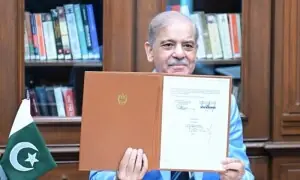
Indian foreign ministry spokesperson Garima Paul said that India isn't out of the RCEP. The other RCEP members include the 10 nations belonging to the Association of Southeast Asian Nations, China, Japan, South Korea, Australia and New Zealand.
It does not include the United States, despite the country's $1.9 trillion in trade with the region.
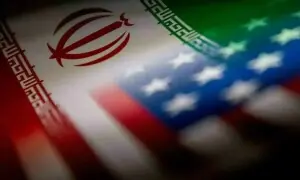
For years, world manufacturers have been boosting investment and trade with Southeast Asia, a fast-growing and increasingly affluent market of 650 million people. That trend has accelerated amid feuding between the US and China over trade and technology, which has ramped up uncertainty as the two largest economies imposed billions of dollars' worth of punitive tariffs on each other's exports.
The RCEP originally would have included about 3.6 billion people and encompassed about a third of world trade and global GDP.
“RCEP will significantly boost the region's future growth prospects and contribute positively to the global economy,” the statement said.
Many countries in Asia have forged free trade agreements in and outside the region, including a rival Pacific Rim trade initiative originally championed by the US, the Trans-Pacific Partnership.
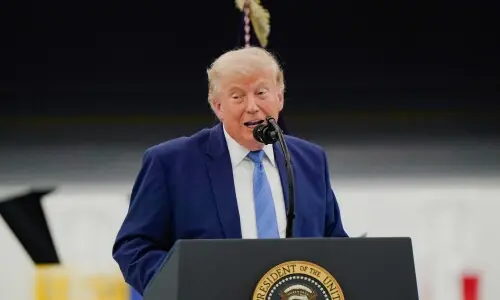
Eleven countries remain in that pact after US President Donald Trump pulled out shortly after taking office. It does not include China.
India has lagged many countries in the region in opening its markets, and groups associated with the ruling nationalist Bharatiya Janata Party have staged scores of protests against participating in the RCEP.
Among other concerns, Indian dairy farmers are worried about competition from New Zealand and Australian milk and cheese producers. Automakers fear imports from across the region. But overall the biggest fear is over a flood of manufactured goods from China.
A Chinese vice foreign minister, Le Yucheng, told reporters earlier on Monday that issues between only 15 countries had been resolved. “Whenever India's ready, it's welcome to get on board,” he said.