Body to draft ambulance service regulations in 60 days


 1
1
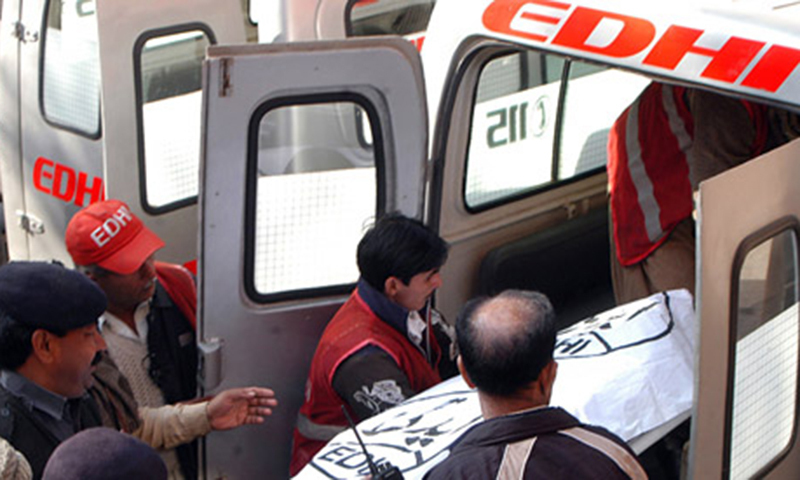

PESHAWAR: The relief, rehabilitation and settlement department has directed Rescue 1122 to form a working group to draft the minimum standards for ambulance service in the province within 60 days.
Relief rehabilitation and settlement secretary Mohammad Abid Majeed told Rescue 1122 director general Dr Khateer Ahmad in a letter that Section 24 of the KP Emergency Rescue Act declared that no person would use any vehicle as an emergency ambulance or rescue vehicle unless it fulfilled such requirements laid down by the Rescue 1122.
He said currently, no regulations and standards for ambulance service were in place.
“While it is imperative we set standards for both public and private sector emergency ambulances, excluding those not fulfilling the criteria, it may also be appropriate to determine inclusive standards for non-emergency patients’ transport also,” the letter read.
It said Rescue 1122 had been directed to consult other stakeholders, including health department, private hospitals and NGOs.
The letter called for the classification of services into broad categories of emergency and non-emergency ambulance or patient transport.
“This can be followed by sub-classifications such as in emergency ambulances, it can be emergency response ambulances taking patient from incident to any hospital, or Ambulances which take ICU patients from hospital in one city to another,” it said.
The letter said the non-emergency ambulances it can be equipped vehicles taking patients from home to clinics, from one hospital to another when referred, geriatric care ambulances for elderly patients even for regular check-ups and bariatric ambulances for obese patients, ambulances taking long term patients to tourist areas even and so on.
It said that the working group should come up with minimum specifications, types, of vehicles used.
“This can be overall classifications, such as buses, vans and this may also include fabrication standards, keeping in view road safety as well pulling power and terrain.”
The letter said the working group might also work out the minimum standards of equipment required based on classification of services provision.
“The equipment may include both medical and other equipment. Other equipment means automated ramps, foldable stretchers, trauma lighting, air-conditioning, communication equipment.”
The letter said a clear regulatory mechanism on lights and sirens was required to avoid misuse.
It said the ambulance, according to classification, would require staff in addition to the driver, so regulations should determine which type of staff was required for which service, including age, qualifications, training, physical fitness.
The letter said the working group would frame checklists for periodic inspections for regulators, owners and operators – varying purposes obviously, customised to user.
It said the working group should keep in view the fact that there was sizable gap in demand for non-emergency ambulance service to take non-emergency patients/non-patients comfortably from home to private clinics, specialised hospitals even for regular checkups.
“These individuals can be elderly, children and others for whom normal transport vehicles can be strenuous. Regulations must therefore try to encourage private sector investment in this demand in market towards affordable public benefit,” it said.
Published in Dawn, October 3rd, 2019