Gas network under stress due to low demand


 41
41
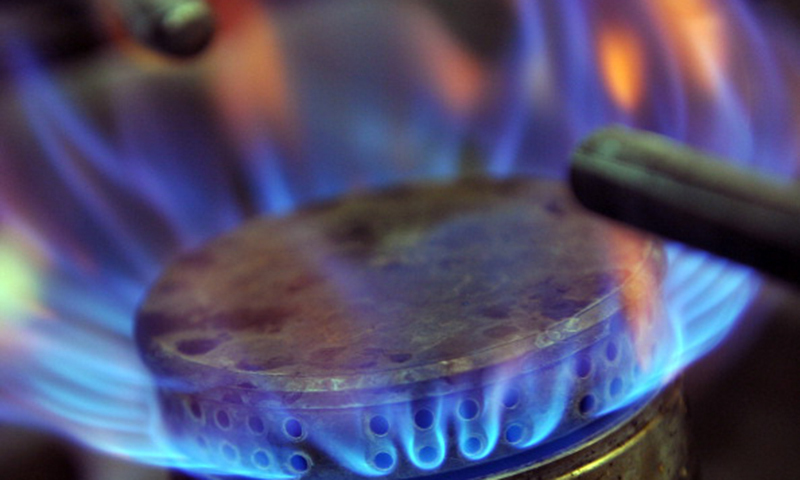

ISLAMABAD: The country’s gas pipeline network is facing an ‘emergency situation’ as supplies substantially outstrip consumption owing to lower than committed demand in the power system.
“This is a very dangerous situation for the gas network as pipelines face extreme backpressure at LNG [liquefied natural gas] offloading points from two re-gasification terminal,” a senior official in the gas network told Dawn. He said the gas system started with line-pack of 4,810 million cubic feet per day (mmcfd) on Sunday and closed at 4,750 mmcfd in the evening. “This is very unsafe level. The pipelines and processing systems are at risk and can rupture if gas off-take by key consumers is not increased,” he said.
Top among them is the power sector on whose demand most of the LNG imports are lined up. The power sector is currently utilising about 670 mmcfd of gas (both domestic and imported) against its allocation of about 1,160 mmcfd. Likewise, the industrial sector is drawing about 250 mmcfd against its allocated share of 300 mmcfd.
Power sector’s gas consumption has dropped after recent rains
When contacted, Petroleum Division’s spokesman Sher Afgan confirmed that the electricity demand had dropped due to recent rains and as a result power plants had reduced output which was causing line-pack pressure on the gas transmission system. He said the power sector’s gas off-take had dropped from 850-950 mmcfd to around 650 mmcfd over the past few days. He said efforts were being made to control the situation. “This is not sustainable for long.”
Another official said the two gas companies — Sui Northern Gas Pipelines Ltd (SNGPL) and Sui Southern Gas Company Ltd (SSGCL) — had been regularly pointing out at the load management meetings of the ministry of energy the challenge of lesser gas off-take by the power plants. These meetings are normally attended by top brass of the petroleum and power divisions and representatives of the entire supply chain, including the Pakistan State Oil (PSO), Pakistan LNG Limited (PLL), the gas utilities, national power control centre, etc.
“RLNG [re-gasified liquefied natural gas] procurement has been arranged based on demand of power and other sectors. Demand of 850 mmcfd was firmed up for the power sector and accordingly RLNG is being received on a daily basis,” wrote SNGPL to the ministry of energy on July 19. However, “currently the power sector has reduced its off-take to an average of 705 mmcfd for the last five days (July 14 to 18),” it added. The situation continues unchanged as of Sunday.
It said it was not practicable to reduce RLNG volumes from the re-gasification terminals on any day despite lesser off-take by the power sector due to pre-arranged supply schedule with foreign suppliers. “The allocated volumes must be off-taken on a daily basis as variation in consumption, even for a single day, lead to operational issues as well as financial implications,” the gas company said while explaining that there was “no RLNG storage facility in the country”. Rescheduling of import cargoes carries financial costs and related operational problems.
A power ministry official on condition of anonymity said the petroleum division was operating without an alternative plan. He conceded that power sector’s firm LNG demand was about 850 mmcfd and it had been even off-taking 900-1,000 mmcfd in some days but the gas network should also have the capacity to absorb some quantities or divert them to other sectors or reduce LNG re-gasification for a few days in case of drop in power demand. He said the power plants were operated on economic merit order and some of the hydropower and coal plants were cheaper than gas-based plants.
The power division official said the industrial consumption had also declined due to economic slowdown and higher LNG costs. On the other hand, LNG-related overdue payments are reported to have gone beyond Rs80 billion, creating serious financial repercussions for the PSO, PLL and gas companies, while more than $210 million foreign payments are becoming due between July 22 and August 5.
A petroleum division official said the secretaries of the power and petroleum divisions were expected to meet again on Monday to address the operational issues as the terminals were experiencing backpressures. He said the Engro terminal was currently sending out about 670 mmcfd of RLNG, while Pakistan Gasport Terminal was processing 470 mmcfd, taking the total imported supplies at about 1,140 mmcfd.
Published in Dawn, July 22nd, 2019