Indian court hands rare death sentence over deadly 1984 anti-Sikh riots


An Indian court on Tuesday handed down a rare death sentence over anti-Sikh riots in 1984 that left nearly 3,000 dead following the assassination of prime minister Indira Gandhi.
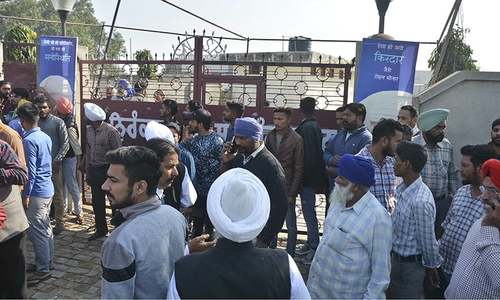
Relatives of victims rejoiced in the capital New Delhi after the judge announced the verdict, the first since 1996.
The 1984 carnage erupted just hours after then-premier Gandhi was killed by her Sikh bodyguards. It lasted three days with Sikhs raped and murdered, their homes and businesses torched.
The violence across the country, but mostly in New Delhi, saw people dragged from their homes and burned alive.
Few have been brought to justice over the massacre, with government-appointed commissions in the past failing to prosecute more than a handful of minor cases.
Gandhi was shot dead after ordering Indian troops to storm the Golden Temple, Sikhism's holiest shrine in the northern state of Punjab. The operation was to flush out separatists from the minority faith holed up inside.
Sikh leaders say the death toll from the pogrom that followed far exceeded the official figure of nearly 3,000 and accuse leaders of Gandhi's Congress party of fanning the violence.
India's top investigating agency had blamed senior Congress leader Sajjan Kumar for inciting the mobs, but he was acquitted by a court in 2013.
Sikhs in India make up around 20 million people, a little under two per cent of India's population of 1.25 billion people. Worldwide they number around 27 million.
'Lack of evidence'
Additional Sessions Judge Ajay Pandey awarded the death sentence on Tuesday to Yashpal Singh and a life sentence to Naresh Sherawat, both for murder, rioting and other charges.
The duo were convicted last week of killing Hardev Singh and Avtar Singh, two men in their 20s, in south Delhi's Mahipalpur during the riots.
Police had closed a case against both men in 1994 citing a lack of evidence but it was reopened by the Special Investigation Team after it was formed in 2015.
The team is probing around 60 cases that it has reopened out a total of 293.
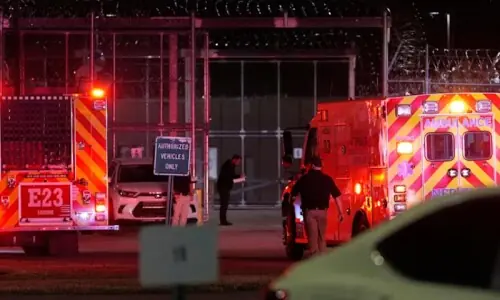
The verdict was pronounced in Delhi's high-security Tihar Jail due to security concerns after an attack last week on the convicts on the premises of the Delhi court.
Emotional relatives said they were relieved that “justice has been finally served” and hoped that next up would be two former Congress ministers, Jagdish Tytler and Sajjan Singh.