Turkey warns US its Iran sanctions are 'dangerous'


Turkey has warned Washington against its new sanctions on Iran, saying isolating the Islamic Republic is "dangerous", Turkish Foreign Minister Mevlut Cavusoglu said on Tuesday.
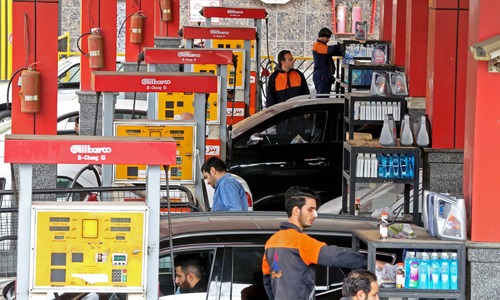
Washington this week imposed a second set of sanctions on Iran that aim to isolate the country's banking sector and slash its oil exports.
Eight countries including Turkey have received a United States waiver to continue importing Iranian oil.
"While we were asking (for) an exemption from the United States, we have also been very frank with them that cornering Iran is not wise. Isolating Iran is dangerous and punishing the Iranian people is not fair," he said at a press conference during a trip to Japan.
"Turkey is against sanctions, we don't believe any results can be achieved through the sanctions," he added.
"I think instead of sanctions, meaningful dialogue and engagement is much more useful."
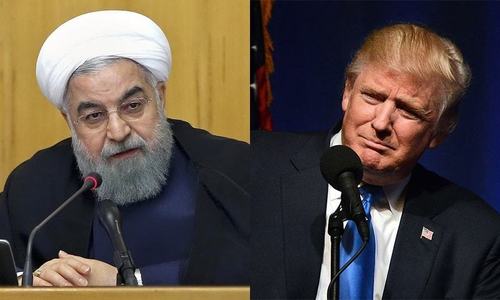
Washington has imposed two sets of sanctions this year after pulling out of a nuclear pact agreed between world powers and Iran that President Donald Trump slammed as "defective".
The latest round went into effect on Monday.
Washington has granted eight countries, including Turkey and Japan, waivers to allow them to continue importing Iranian oil without facing diplomatic consequences.
The new sanctions have sparked furious reactions from Iran, whose President Hassan Rouhani said the country would "proudly bypass your illegal, unjust sanctions".
On Monday, Washington vowed to be "relentless" in countering Iran, with US Secretary of State Mike Pompeo saying the US wanted Iran to make a "180-degree turn" and abandon its "current revolutionary course".
United Nations inspectors say Iran is abiding by an agreement reached with Trump's predecessor Barack Obama to draw down its nuclear programme.
That deal was backed by European powers, Russia and China and sealed by a UN Security Council resolution.
Those other parties to the nuclear deal have vehemently opposed the US move and vowed to keep alive the accord, technically known as the Joint Comprehensive Plan of Action.