Israel reopens Gaza crossing as truce talks progress


 0
0


Israel reopened its only goods crossing with the Gaza Strip on Wednesday after closing it to most deliveries on July 9 over months of border tensions, as relative calm returned and truce talks progressed.
An Israeli official said on condition of anonymity that an initial set of “understandings” had been reached with the help of Egypt and United Nations officials, leading to calm over the last several days and the opening of the crossing.
But the official, commenting after an Israeli security cabinet meeting on the issue, warned there could be no “real arrangement with Hamas” unless it returned the remains of two soldiers it is believed to be holding — a key sticking point.
Humanitarian issues in the blockaded Gaza Strip and the return of the soldiers can be addressed if calm is maintained, the official said, adding that if not, Israel would return to “aggressive” military action.
The crossing is a vital lifeline for Gazans and their crippled economy, but Israel had closed it to goods except for food and medicine to pressure Hamas, the movement that runs the Palestinian enclave.
The opening came as speculation mounted over indirect negotiations mediated by Egypt and UN officials to reach a long-term truce between Israel and Hamas.
Israel and Palestinian militants in Gaza, including Hamas, have fought three wars since 2008 and tensions since late March have led to fears of yet another full-blown conflict.
There have been three intense flare-ups since July, the latest on Thursday, when Israel responded to some 180 rockets and mortars fired from Gaza with widespread air strikes.
Kites with firebombs
An AFP journalist at the goods crossing, known as Kerem Shalom, said dozens of trucks began passing into the Gaza Strip on Wednesday morning.
Israel also returned the fishing zone it enforces off the strip to nine nautical miles in the south of the enclave, after having reduced it. The maximum allowed for Gaza fishermen is six nautical miles in the north bordering Israel.
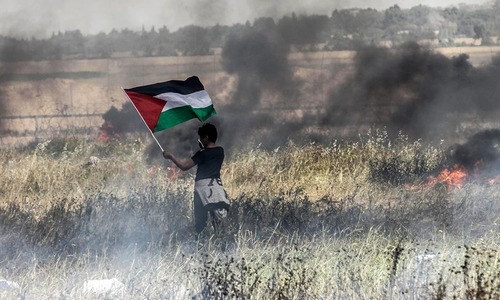
On July 9, Israeli authorities closed the crossing to most deliveries, partly in response to kites and balloons being flown across the border carrying firebombs to burn Israeli farmland, causing hundreds of thousands of dollars worth of damage.
Food and medicines have been allowed through, but fuel and cooking gas had been intermittently blocked, including since August 2. All other goods were turned away.
The fuel ban exacerbated an electricity crisis in Gaza, which already suffers from severe power shortages and relies heavily on generators.
UN officials have repeatedly called for the blockade to be lifted, citing deteriorating humanitarian conditions in the enclave of two million people.
Israel says it is necessary to stop Hamas from obtaining weapons or materials that could be used for military purposes.
Gaza's only other goods crossing is at Rafah on the Egyptian border.
That checkpoint had largely been kept closed in recent years, but Egypt opened it in mid-May and it is has mostly remained so since.
The Rafah crossing is currently only open to people, according to Egyptian sources, but a Hamas source said goods such as cement and fuel have passed through since May.
Truce talks
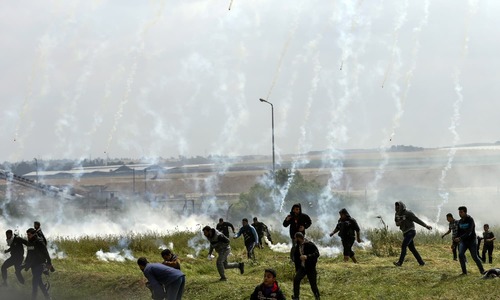
Gaza border protests broke out with mass demonstrations on March 30 and have led to months of tension.
At least 169 Gazans have since been killed by Israeli fire, mostly during clashes and protests. One Israeli soldier was shot dead by a Palestinian sniper in July.
Efforts by Egypt and UN officials to reach a long-term truce face major hurdles.
Officials from Hamas and its allies Islamic Jihad travelled to Egypt on Tuesday for talks, a Hamas source said.
Cairo has also been seeking to reconcile Hamas with Palestinian president Mahmud Abbas's Fatah after more than a decade of bitter division.
Abbas told a meeting of Palestine Liberation Organisation officials Wednesday night in Ramallah that he appreciated Egypt's efforts but Hamas “has no intention of reconciling.” He also said US officials were “lying” when they said they were interested in improving the lives of Palestinians.
Abbas cut off ties with the White House after President Donald Trump's deeply controversial recognition of Jerusalem as Israel's capital, and sees the current administration as blatantly biased in favour of Israel.