KARACHI: As approved by the previous government in Sindh, the provincial health ministry has formally ordered to pay the long-awaited health professional allowance to paramedics and supporting staffers, it emerged on Monday.
Officials in the health ministry said the allowance would be paid to paramedics and supporting staffers who had been upgraded or promoted to BPS-16 and BPS-17.
They said those staff members who were working in medical or health institutions of the health ministry would be eligible for the health professional allowance with effect from July 1, 2018.
The allowance would be 20 per cent of the respective basic pay (running) of the staff concerned, officials added.
The officials said former chief minister Murad Ali Shah’s cabinet had sanctioned the health professional allowance for paramedical staff working across the health facilities in Sindh in April.
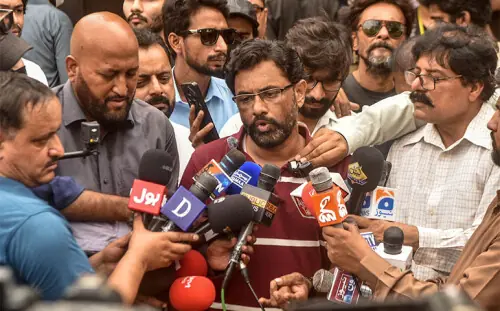
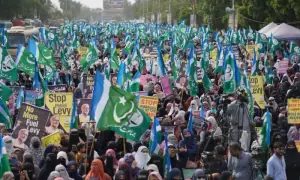
The decision was made after the Paramedical Staff Joint Action Committee Sindh had staged a three-day sit-in outside the Karachi Press Club against perpetual delays in awarding the health professional allowance.
They had demanded that the allowance be given to them on the pattern of Punjab, Balochistan and Khyber Pakhtunkhwa.
In an earlier order issued by the finance ministry in April it was said, with the approval of the competent authority (ie Sindh chief minister), the provincial government had allowed the health professional allowance worth 20pc of respective basic pay to the paramedical staff and support staff in BPS-1 to BPS-15 working in medical/health institutions of health ministry, with effect from July 1, 2018.
Officials in the ministry said the earlier order had not covered the paramedics who had been promoted to BPS-16 and BPS-17, thus, the fresh order would cover them as well.
Officials said instead of one-fourth of the respective basic pay, 20pc of respective basis pay had been approved by the previous government.
They said just the allowance being paid to paramedics of grades up to BPS-15 involved financial implications of Rs2.066 billion per annum.
Published in Dawn, June 19th, 2018