4
4

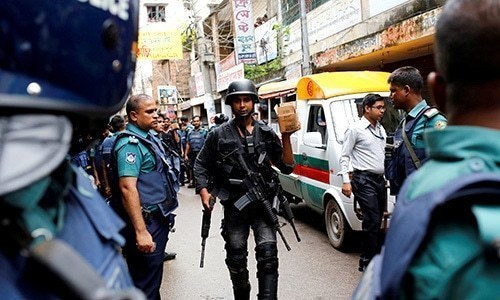
DHAKA: Bangladesh police have killed at least 86 people and arrested about 7,000 since launching a crackdown on drug trafficking this month, officials said on Monday, raising fears from rights activists of a Philippines-style war on drugs.
Prime Minister Sheikh Hasina approved the anti-narcotics campaign in early May to tackle the spread of “yaba”, as methamphetamine is widely known in Asia, and worth an estimated $3 billion annually, government officials say.
The drug is sourced from Myanmar’s northeast and smuggled into neighbouring Bangladesh.
“In recent times, drug dealing has increased and we feel that people should be alert and motivated to act against it,” Devdas Bhattacharya, a senior police official, told reporters.
“The process will continue until it’s eradicated totally.”
He said police arrested six people on Sunday, including a 12-year-old boy from Myanmar’s Rohingya Muslim community, who had carried 3,350 yaba tablets to the capital, Dhaka.
Bangladesh has said an influx last year of Rohingya fleeing Buddhist-majority Myanmar is partly to blame for soaring methamphetamine use. But many Rohingya say their young people are being pushed into crime because they cannot legally work or, in many cases, get access to aid.
The 86 deaths occurred when police defended themselves in confrontations with suspected drug traffickers, said Mufti Mahmud Khan, a director of the police Rapid Action Battalion. “It’s their legal right to save themselves from the attack,” Mufti said.
Human rights activists are worried the Bangladesh campaign is taking a page from the Philippine drugs war, in which thousands of people have been killed in the past two years.
“The Sheikh Hasina government says it is a protector of human rights, so it should reform its domestic record, set an example, instead of wishing to be compared to an abusive regime,” said Meenakshi Ganguly, South Asia director for Human Rights Watch.
Ganguly said the government “should heed concerns and allegations by families and activists that several of these deaths could be extrajudicial killings”.
Interior minister Asaduzzaman Khan rejected the rights group’s allegations and denied that police had carried out any extra-judicial killings. He said dozens of police had been injured in anti-drug operations.
The opposition Bangladesh Nationalist Party (BNP) said the anti-drugs drive was part of a campaign to intimidate it but Khan also rejected that, saying ruling party members would not be spared if found guilty of drug crimes.
“We are determined to save our young generation from the curse of drugs,” he said.
Published in Dawn, May 29th, 2018