THE almost drought-like situation in many parts of the country at the start of the Kharif sowing season is cause for serious alarm.
There is a tendency to treat such conditions with an air of resignation, as if we are totally helpless before the vagaries of nature; in fact, some people, in view of the scarce water available for our agrarian needs, start talking, reflexively, about building the Kalabagh dam.
Given that we are likely to face similar situations in the future, with weather patterns becoming more erratic, it is vital to move beyond these simple positions. Pakistan’s food security, as well as its industrial base, is largely built on the irrigation system bequeathed to us by the Americans, working through the World Bank in the wake of the Indus Waters Treaty.
This country is, at its roots, a hydraulic society, and water, especially for irrigation, is its most important natural endowment, upon which is based our entire social structure.
When looking at water issues faced by the country, quantity is only one dimension of the challenge. The real area of concern, for which urgent solutions are required, is utilisation.
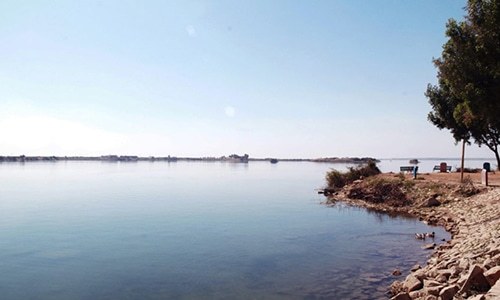
According to the Indus River System Authority, the body tasked with managing the allocation of the country’s irrigation water, somewhere between 9 MAF to 10 MAF of water is usually released during the Kharif crop sowing season. This year, the amount that has been released is 5.8 MAF, a near disastrous shortfall due to diminished inflows in the dams. But the real story is that of this amount, nearly 1 MAF has been lost, ie it was released but never reached the command heads further downstream.
Some losses are normal, due to seepage and evaporation, but Irsa says the figure is unusually high this year. This loss is south of Taunsa Barrage.
Reports of widespread black marketing of water, which is pumped out illegally using pumps and then poured into tankers which are sold to farmers at a steep price, are widespread across Sindh.
Tail-end farmers on the Nara canal, which feeds large parts of Mirpurkhas Division, for example, claim they have counted more than 800 pumps operating upstream while their watercourses are parched.
Can this sort of theft be possible without the connivance of the provincial irrigation department?
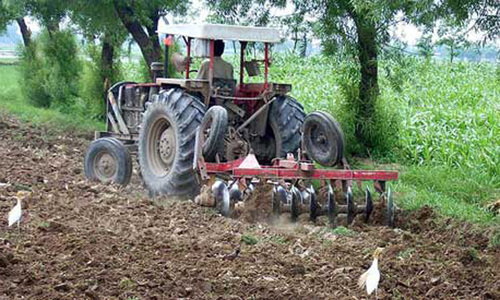
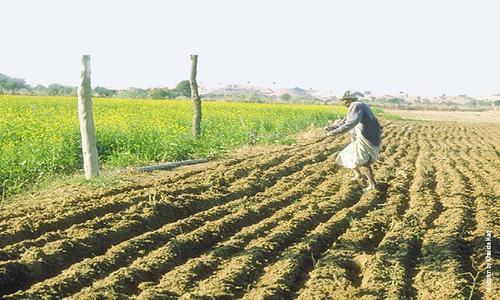
On top of this, there is the matter of poor water practices on farms, where large landowners still use antiquated flood-irrigation techniques, resulting in much wastage, instead of investing in modern irrigation technologies to conserve and make judicious use of a scarce resource.
Until these problems — theft and waste —are adequately addressed, it would be futile to talk of Pakistan’s water crisis in terms of quantity alone.
Drought is indeed a natural phenomenon that humans can do little to reverse. But how we adapt to it is in our control.
Published in Dawn, May 17th, 2018