China plans to hit US soybeans, planes as trade war looms


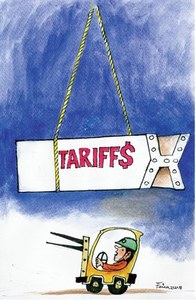
China unveiled plans on Wednesday to hit major United States (US) exports worth $50 billion such as soybeans, cars and small airplanes with retaliatory tariffs in an escalating trade duel between the world's two top economies.
The move came hours after President Donald Trump's administration published its own $50 billion list of Chinese products facing US tariffs over Beijing's alleged theft of intellectual property and technology.
The two powers have engaged in heated rhetoric and tit-for-tat actions that have raised the prospects of a trade war and rattled global markets.
Foreign ministry spokesman Geng Shuang said China remains open to talks, “but the opportunity for consultation and negotiation has been missed by the US side time and again”.
“The US side should not try to threaten China in a condescending way. We should have give and take, instead of threatening the others senselessly,” Geng told reporters before Beijing announced the tariff plan.
“Any attempt to bring China to its knees through threats and intimidation will never succeed. It will not succeed this time either.”
The Chinese commerce ministry unveiled a list of 106 products, including chemical products and frozen beef, that will get hit by duties of 25 per cent, though it did not announce a date for their implementation.
A third of US soybean exports go to China, totalling $14 billion last year, and the product comes from rural states that voted for Trump in the 2016 election.
The tariffs also target airplanes that weigh no more than 45,000 kilos, smaller than the major commercial jets made by Boeing.
The targeted airplanes would include private jets like the Gulfstream V and others that have been snapped up by China's elite.
Beijing said it will also resort to the World Trade Organization's dispute settlement mechanism.
Taken together the $100 billion worth of targeted goods represent about 17 per cent of the $580 billion in two-way trade last year.
On Monday, Beijing imposed duties on about $3 billion in US exports such as pork, wine and fruit, in response to US tariffs on steel and aluminium.
The US list, which was published on Tuesday, includes electronics, aircraft parts, satellites, medicine, machinery and other goods, and it has yet to be finalised.
“The proposed list of products is based on extensive interagency economic analysis and would target products that benefit from China's industrial plans while minimising the impact on the US economy,” the office of US Trade Representative Robert Lighthizer said in a statement.
It identifies roughly 1,300 goods that could face duties of 25 per cent but remains subject to a review process that will last through at least May before it can take effect.
Over the last month, Trump has rattled markets and disregarded warnings from industry groups and members of his own Republican party in announcing punishing new tariffs on exports from major trading partners.
Mixed feelings
The move toward trade sanctions on China, however, had received mixed reviews, with some support among lawmakers and industry bodies.
The US-China Business Council said it agreed US companies suffer forced technology transfer in China but warned against tariffs.
“The American business community wants to see solutions to these problems, not just sanctions,” John Frisbie, the council's president, said in a statement.
“China needs to substantially improve market access and competitive conditions for American companies selling to and investing in China in certain sectors, but unilateral tariffs may do more harm than good and do little to address the problems in China's IP and tech transfer policies.”
General trade tensions had calmed in recent days, with investors taking a degree of solace from news that Washington had begun talks to resolve differences with the European Union and China.
But in a series of irate tweets this week, Trump has renewed threats to scrap the North American Free Trade Agreement — another trade bugbear the president has denounced as a killer of US jobs.
Canadian, Mexican and US officials are currently in fraught negotiations to overhaul the 24-year-old agreement, but analysts say the odds are slim that a deal can be reached ahead of elections in Mexico and the US.
In a client briefing sent before the release of the list, Mickey Levy, chief US economist for Berenberg, said Trump's trade policy was shifting from “chaotic” to focused and might result in some successes.
“The most likely outcome of broader negotiations may even be a reduction in select trade and investment barriers that result in positives for international trade,” Levy said.
But because Trump has focused on bilateral trade and specific industries, rather than overarching multi-lateral agreements, any positive outcome was “likely to be limited,” he said.