2
2

The United Nation's (UN) top official on preventing genocide said on Tuesday efforts were made to “cleanse” the Rohingya and that returning the persecuted Muslim minority to Myanmar risked further atrocities against them.
Nearly 700,000 Rohingya have fled Myanmar since August, crossing into Bangladesh with stories of murder, rape and arson at the hands of soldiers and Buddhist mobs in Rakhine state.
Adama Dieng, who this past week visited Bangladesh's refugee camps and met officials, also urged the UN Security Council to hold Myanmar to account over the “international crimes”.
His remarks come a day after UN special rapporteur to Myanmar Yanghee Lee warned the violence against the Rohingya bears “the hallmarks of genocide”.
Myanmar has vehemently denied the United States (US) and UN allegations of ethnic cleansing, insisting it was responding to attacks by Rohingya militants.
Also read: Has UN failed the Rohingyas?
“All the information I have received indicates that the intent of the perpetrators was to cleanse northern Rakhine state of their existence, possibly even to destroy the Rohingya,” Dieng said in a statement on Tuesday.
If proven this “would constitute the crime of genocide”, the special envoy added.
Calls have been mounting for the creation of a UN-backed investigation to prepare criminal indictments over atrocities committed in Myanmar.
Lee said investigators should be based out of Bangladesh and work for three years to “collect, consolidate, map, analyse and maintain evidence of human rights violations and abuses”.
Dieng said he was “perplexed” by Myanmar's denial of the litany of abuses against the Rohingya, and urged the UN to consider different options to hold authorities to account.
“The world needs to show that it is not ready to tolerate such barbaric acts,” he said.
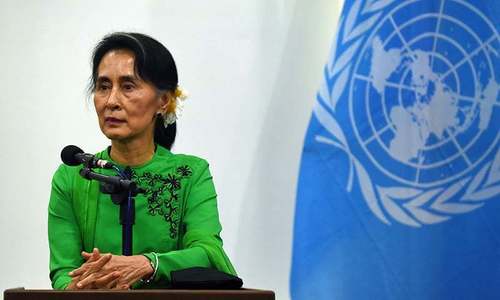
Myanmar's civilian leader Aung San Suu Kyi was last week stripped of a prestigious human rights award by the US Holocaust Memorial Museum, which accused her of doing little to halt the ethnic cleansing of the Rohingya.
Bangladesh and Myanmar agreed in November to begin repatriating Rohingya who volunteered to return to Rakhine, but the plan has stalled.
Dieng said Myanmar had made “no genuine efforts” to ensure those who returned were guaranteed freedom and safety.
“Under the present conditions, returning to Myanmar will put the Rohingya population at risk of further crimes,” he said.
Amnesty International this week said Myanmar was building security installations on top of razed Rohingya villages, casting further doubt on plans to repatriate hundreds of thousands of refugees.