14
14

ISLAMABAD: The upgrade of Pakistan’s infrastructure is expected to attract direct investment from abroad, including mature industries in China which seek lower-cost locations, the Asian Development Bank says in a new report.
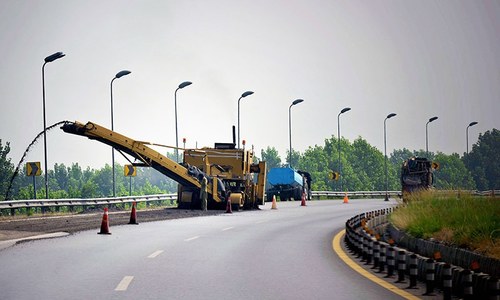
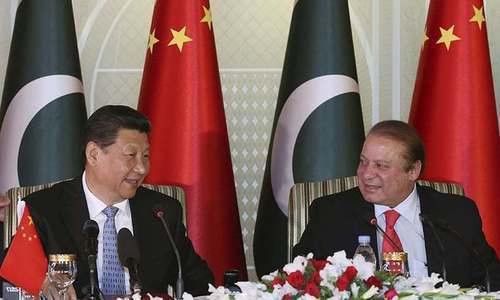
The China-Pakistan Economic Corridor will significantly address Pakistan’s infrastructure deficit caused by annual spending on infrastructure at only 2-3 per cent of GDP over the past four decades. The CPEC is planned to be completed by 2030.
Higher economic growth in fiscal year 2018-19 reflects accelerated infrastructure investment through CPEC, which is steadily lifting consumer and investor confidence and, thereby, further catalysing economic activity, the report says.
The large investment in infrastructure should boost construction and related industries, spurring job creation and growth, and in the long run, goods from China transiting from northern Pakistan to the seaport will bolster the transport sector, further stimulating private investment and activity, the Asian Development Outlook 2017 states.
Higher foreign exchange earnings and exports will be needed to avoid pressure on external account
At the same time, CPEC investments are likely to require significant increases in imports of equipment and services to implement the projects. In the medium-to-long term, these inflows will likely to be followed by financial outflows as loans are repaid and profits repatriated to foreign investors. Higher foreign exchange earnings and exports will be needed to avoid pressure on the external account, the report emphasises.
To reap the potential benefits of CPEC and shift the economy of Pakistan to a higher growth trajectory, the government must continue to address key constraints on growth. Domestic security has improved significantly in recent years, but consolidating these gains will take continued efforts.
The government has identified “early harvest” infrastructure projects that will be completed over the next few years. Of these, $21 billion will be spent on energy projects. These will be financed by foreign direct investment from China, supported by borrowing from banks there.
Independent electricity-generating firms will be offered guaranteed tariff for their sales to distribution companies that will ensure at least 17 per cent return on equity. About $10 billion investment in transport infrastructure will be financed by a combination of concessional and commercial loans from the Chinese government.
Published in Dawn, April 10th, 2017