0
0

RAWALPINDI, July 26: About 53 per cent of the women councillors elected to the local governments lack basic education, the first lady, Sehba Musharraf, said on Saturday.
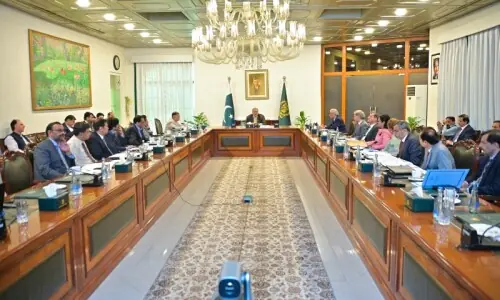
She was speaking at the inaugural session of the first national summit of women councillors and mayoresses at a local hotel.
Ms Musharraf said these uneducated elected representatives could only deliver effectively if they were properly educated. The government, she said, was shortly launching a programme of functional literacy for these councillors. The programme is expected to benefit 25 per cent of the uneducated councillors.
Praising the achievements made by the new system of local governance in politically empowering women, Ms Musharraf said it was just the beginning of a long journey.
The adviser to the prime minister on women development, Nilofar Bakhtiar, informed the participants that the government, while taking cognizance of the difficulties being encountered by women councillors in performing their duties, had decided to set up resource centres for them.
The women councillors would be provided modern facilities like computers, internet, fax and other required documents at these resource centres. These would not only enable them to effectively work, but also help them maintain liaison with their colleagues in other parts of the country, parliamentarians and the press besides keeping them abreast with the latest developments concerning women, she said.
Speaking about the steps being taken for the economic empowerment of women, Ms Bakhtiar said the First Women Bank had agreed to slash interest rate on small loans given to women by two per cent from 16 to 14 per cent. Similarly, she said, Khushali Bank was working on proposals for introducing two new schemes, Jafakash Aurat (for rural unskilled women) and Hunarmand Aurat (for skilled women).
Representatives of women councillors from different provinces detailed their experiences and difficulties being confronted by them while working as elected representatives.
Gul Noor Bugti, representing Balochistan province, regretted that the established women politicians were the biggest hurdle for the young women aspiring to enter this field. They, she said, considered it as their exclusive birth right to do politics in the name of women and did not consider those coming from mediocre backgrounds eligible for politics.
She suggested that the process of political empowerment should be supported by economic empowerment, which had been the main cause of women’s woes.
The NWFP representative at the summit’s inaugural session, Nurat Ara, called for checks on district Nazims, who, she said, were acting in an uncontrolled manner. They should be held accountable for their actions, she added.
Ranaa Shah of Sindh said the local government ordinance did not fully explain the privileges and powers of different functionaries elected under the new system, which frequently resulted in problems.
Kishwar Mazari, who was representing Punjab, said there was a gross misconception that women of the Punjab were better off than those of other provinces. She said neither women politicians nor men did anything to improve the lot of women.
She said women councillors were being given little or no importance. “If only they were to be used as show pieces, then let it be known to all that these poor souls were much better inside the walls of their house,” she added.
Additional secretary, Ministry of Women Development, Tariq Bokhari, said women made up 46.1 per cent of the registered voters, which showed that two to three million women still remained unregistered. This, he said, did not augur well for their political empowerment.