232
232

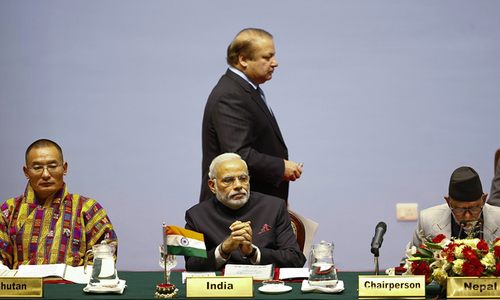
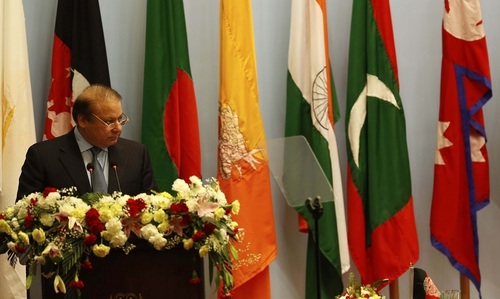
KARACHI: The upcoming South Asian Association for Regional Cooperation (Saarc) summit scheduled to be held in November in Pakistan has been postponed after India refused to participate, DawnNews reported on Tuesday.
According to the eight-member body's charter, the conference is postponed should any member state decline to participate.
Following India's announcement, Bangladesh said it was also pulling out.
Afghanistan and Bhutan - both close India allies - have since followed suit, according to an official with the Nepali government, current chair of SAARC.
Announcing Indian Prime Minister Narendra Modi's decision to not participate in the conference, India’s external affairs ministry had said there were other countries that had expressed reservations about participating in the summit amid heightened tensions over terrorism.
Read: A rancorous Saarc meeting
“India has conveyed to current Saarc Chair Nepal that increasing cross-border terrorist attacks in the region and growing interference in internal affairs of member states by one country have created an environment that is not conducive to the successful holding of the 19th Saarc summit in Islamabad,” said the Indian foreign ministry.
“That is why we have pulled out of the SAARC summit.”
Current Saarc chair Nepal said it hoped the issues would be resolved but could not comment on whether the summit would go ahead.
“The host will take decisions regarding the summit,” said Jhabindra Aryal, joint secretary of Nepal's foreign ministry.
'India impedes Saarc process'
The Foreign Office said, following the postponement of the upcoming Saarc summit, that India impedes the Saarc process and seeks to divert attention from its atrocities in held Kashmir.
“Indian intentions of creating hurdles yet again is visible from the actions and statements at the political level during the last two months coupled with coordinated media efforts,” said a statement released from the FO.
The statement also added India is desperate to divert the international community’s attention from the Kashmir issue.
“Indian atrocities have attracted the world’s attention, which is manifested in the strong condemnations and calls by the international political and human rights organisations for sending a fact finding mission to the Indian Occupied Kashmir.”
The FO termed India’s attitude as negative, and added it had a direct bearing on the welfare and betterment in South Asia which is highly regrettable.
The leaders of the eight Saarc countries — which also include Sri Lanka, Nepal and the Maldives —expressed frustration after the last summit in Kathmandu with the slow pace of progress towards greater regional integration.