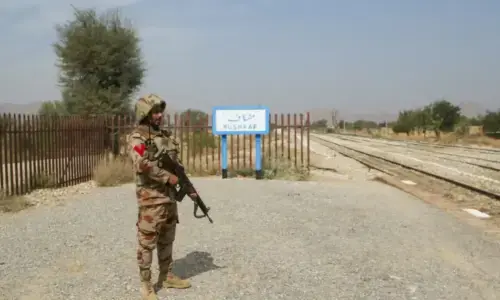
NEW DELHI, Nov 24: Three months after it tersely rejected a truce offer by Pakistan, India on Monday welcomed Islamabad’s move to hold a unilateral ceasefire along the Line of Control in Kashmir beginning this week.
An Indian foreign ministry spokesman urged Pakistan, however, to extend the proposed ceasefire also to Siachen, the world’s highest extant battlefield.
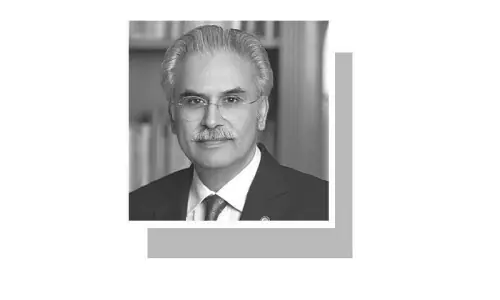
The spokesman, responding unusually positively to Prime Minister Zafarullah Khan Jamali’s address of Sunday, raised hopes also for a wide range of travel links to open up between the two countries, possibly quite soon.
And while India could not fail to make its standard observations about the need to end what it sees as cross border incursions by anti-India guerrillas in Kashmir, it significantly refrained from the familiar theme of terrorism, describing the issue as one of infiltration instead.
A brief Indian statement seemed tempered in contrast to New Delhi’s prompt rejection of a similar ceasefire offer by President Gen Pervez Musharraf, which he had made to the visiting Indian journalists and parliamentarians in August.
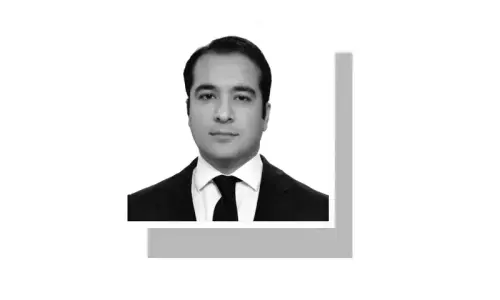
“We have seen the statement on India-Pakistan relations, made by the prime minister of Pakistan in his address yesterday,” Indian spokesman Navtej Sarna said.
“We welcome the decision of the government of Pakistan to work for expanding the communication links proposed by us on Oct 22. We now propose immediate technical level talks for early implementation of these proposals,” he said.
“We also welcome the announcement by the prime minister of Pakistan of a unilateral ceasefire with effect from the holy occasion of Eid,” Mr Sarna said. “India will respond positively to this initiative.”
Mr Sarna, however, stressed that “in order to establish a full ceasefire on a durable basis, there must be an end to infiltration from across the Line of Control.”
To take this process further, “we also propose a ceasefire along the AGPL (Actual Ground Position Line) in Siachen,” he said.
India’s mellower than normal tone on Monday prompted a search for the cause of this pleasant change.
Diplomats and analysts were linking New Delhi’s response to Mr Jamali’s speech to the increasing difficulties faced by the US-led coalition forces in Afghanistan, a factor that may have prompted Washington’s nudge to both countries to turn their gaze on Kabul.
Moreover, India has recently secured its first overseas military base in Tajikistan, which in any case points to a greater involvement in the affairs of Afghanistan via the northern access, not without western approval, analysts say.
Western diplomats believe Pakistan may ease its resistance to an over-flight agreement with India early next month, thus giving New Delhi easier access to Kabul, denied only because of its own decision to snap air links in January 2002.
Barring this backstage bickering, the two countries would have restored their civil aviation links in July, when they resumed the bus service between Lahore and Delhi.
Analysts say that by agreeing in principle to the ceasefire idea, India would not lose much strategically, since the early arrival of snow in the Himalayan region this year will be a natural deterrent to any clandestine movement of people across the LoC.
Diplomats noted that Mr Jamali had accepted India’s original offer to start the first bus links since 1947 between Muzaffarabad and Srinagar, even as he stressed that this should not be construed as compromising on the disputed status of Jammu and Kashmir.
Mr Sarna’s remarks on Monday included the prospects for the resumption of all travel links, including the Rajasthan-Sindh rail route, the Mumbai-Karachi sea route, and the air links that had existed before December 2001.