ISLAMABAD: A recently-released report revealed that Sindh is the most economically unequal province in Pakistan. It was further revealed that the consumption rate of richest 20 per cent Pakistanis is five times higher than that of the poorest 20 per cent.
The study, based on the Gini index, a commonly used measure of inequality, was jointly launched by Oxfam Pakistan and Sustainable Development Policy Institute (SDPI). It highlighted inequality, access to land and capital, unfair taxation and poor spending on social welfare in Pakistan.
The research revealed that top 10 per cent of Pakistan’s population has 31 per cent share in spending while 40 per cent of the poorest spend only 20 per cent.
The study was carried out by Dr Abid Burki, Dr Rashid Memon and Dr Khalid Mir of Lahore University of Management Sciences (Lums).
The researchers said Pakistan was losing its fight against poverty as multiple inequalities were impeding long-term growth of the country.
The study has been released ahead of the 2015-16 federal budget announcement, in the hope that it may prove useful for the government.
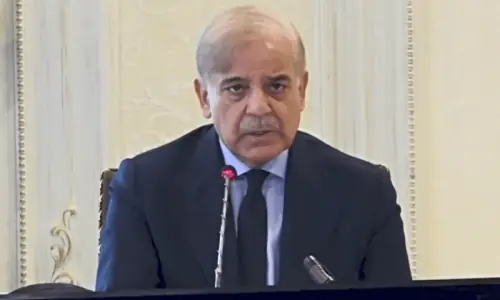
However, speaking on the occasion, Commerce Minister Khurram Dastagir Khan, rather than discussing economic policy, shifted the blame on the media and researchers.
“The dilemma is that most of us are not up to par with economic issues as they are underreported in the media, like a number of other important national issues,” he said.
The minister gave the example of retail and wholesale markets and said billions of rupees worth of trade takes place on white papers, without being taxed.
“Ultimately, the government is forced to increase direct taxation as there is no framework to regulate the bazaar economy,” he said.
The Commerce Minister further said that inflation has been controlled in the country and is currently at just over 3 percent, which is the lowest in 15 years.
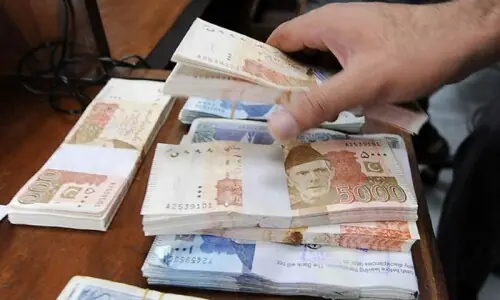
The study revealed that Pakistan loses Rs500 billion annually because of tax exemptions.
This amount is 1.5 times the annual budget for education. It also stated that Pakistan can earn additional tax revenue of Rs80-115 billion if the exemptions on agriculture are withdrawn.
According to the study, the level of urban inequality is considerably higher than rural inequality which indicates that urban prosperity is not equally shared.
Dr Abid Suleri, SDPI Executive Director said that sustainable development is impossible without social justice.
“Unfortunately, the opportunities currently available allow the rich to get richer while the poor get poorer,” he said.
Oxfam Country Director Arif Jabbar Khan said: “Pakistan is now at a crossroads where we can either carry the baggage of existing policies and risk political, economic, social and environmental sustainability or we can turn things around.”
“To change things, we must address inequalities more seriously and in all aspects, to achieve economic progress and share benefits,” he said.
Published in Dawn March 12th , 2015
On a mobile phone? Get the Dawn Mobile App: Apple Store | Google Play