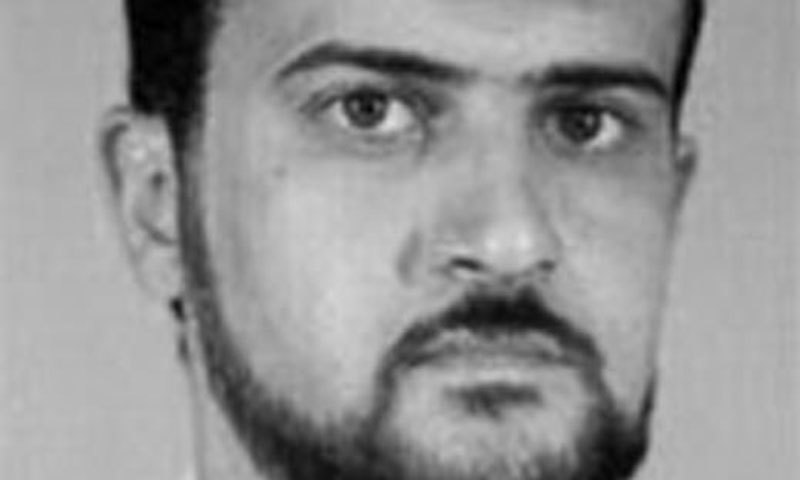


NEW YORK: A suspected al Qaeda figure alleged to have helped plan the 1998 bombings of the US embassies in Tanzania and Kenya has died in New York just days ahead of his scheduled trial, his son and the prosecutor said on Saturday.
Abu Anas al-Liby (also spelled al-Libi), whose real name was Nazih al-Ragye, was seized by US forces in October 2013 in the Libyan capital Tripoli and brought to the United States to face criminal charges stemming from the bombings, which killed 224 people.
Liby, 50, died on Friday at a local hospital after being transported from a Manhattan correctional center on Wednesday, according to a letter to US District Judge Lewis Kaplan from the US Attorney's Office for the Southern District of New York.
Speaking to Reuters by telephone, his son Ahmed al-Ragye blamed US authorities for his death.
“We hold the US legally responsible for the death of my father. He had developed cancer while being in prison in America,” Ragye said.
“We had undergone surgery in a hospital and had been sent back afterwards to prison though his condition had not been stable,” he said.
“We demand US authorities to send his body back without conducting an autopsy so we can see ourselves and verify why he died.”
Manhattan US Attorney Preet Bharara said in the letter Liby suffered “sudden complications arising out of his long-standing medical problems” and died on Jan. 2.
Prosecutors said Liby's lawyer was with him throughout the day and an imam was present at the hospital. Liby's attorney, Bernard Kleinman, could not be immediately reached.
Liby had been scheduled to face trial, along with accused Osama bin Laden associate Khalid al-Fawwaz, on Jan. 12. Both men had pleaded not guilty.
Liby was seized by commandos from the Pentagon's elite Delta Force outside his residence in Tripoli and transferred by Zodiac raft to the USS San Antonio, a US Navy ship floating off the Libya coast, Kleinman recently told Reuters.
He said his client was held on the ship and interrogated. Eventually he was flown to the USA.
The Libyan government criticized the operation as an unauthorized incursion. Documents filed with the court in September later revealed the Libyan government was paying his legal fees.