3
3
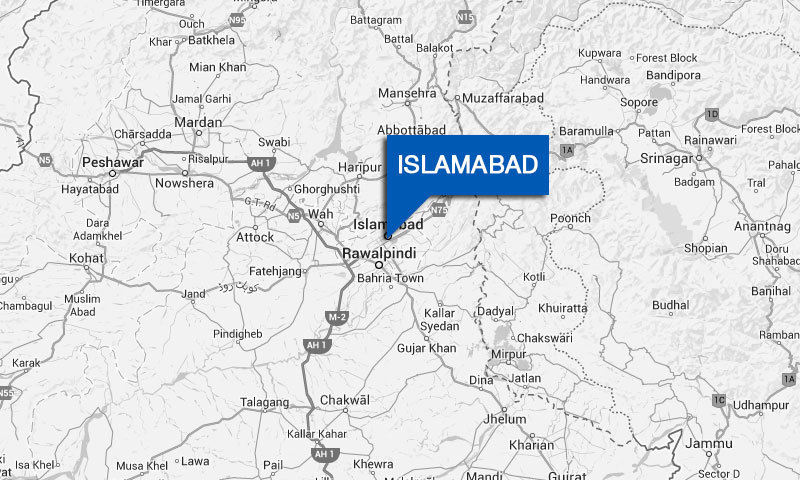

ISLAMABAD: Malot, home to some 2,000 people, is a rural area near Bhara Kahu between Kuri and Simli Dam roads that falls in the jurisdiction of the ICT administration.
Despite Eidul Azha and beginning of wheat sowing season next month, a sombre mood hangs over this small community whose future has become uncertain after the announcement of a housing scheme for the Supreme Court bar members on their ancestral land.
“We are faced with a serious question about what we will do when we have no land,” says Ali Sher, a resident of Malot.
A notification was issued by ICT administration for acquisition of land to establish a housing scheme for Supreme Court bar members
Not just Ali Sher, but most of Malot’s residents are worried after a notification was issued on September 29, 2014 for acquisition of around 4,500 kanals to establish the housing scheme which will be managed by lawyers. Instead of sowing wheat or selling and buying livestock, residents are now spending their time planning a protest movement against the planned acquisition.
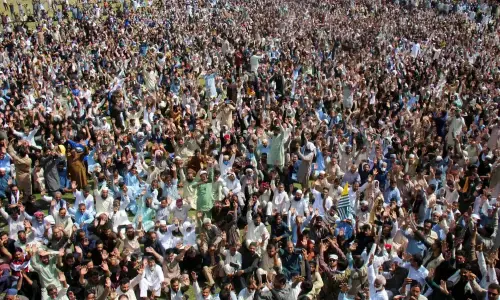
In addition to holding small protests in front of the National Press Club last week, some are now discussing blocking key roads leading to Kahuta or Murree, if the authorities move ahead with the planned acquisition of their land.
Most locals are low to mid-level employees in Islamabad and use the agricultural produce from their lands to supplement their meagre income.
“We had been leading a content life because our food comes from the land. The wheat is enough for our household needs and every house has cows that provide fresh milk,” says Ali Sher, who is not employed but is politically active in the area.
His two sons work as watchmen at government offices in Islamabad. He and his fellow villagers fear that not only would they have to change their way of life but economic hardships would likely push them into urban slums.
Challenging the land acquisition is an uphill task for the poor villagers as those standing against them are the lawyers of Supreme Court for whom the housing scheme is being established.
They are now trying to use political means to resist the acquisition by involving the elected representative of their area.
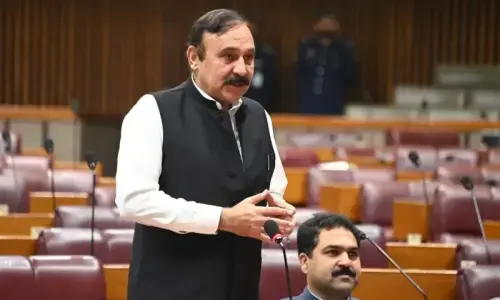
“Acquiring land for a development project is one thing but evicting traditional dwellers from their land to establish a housing society for private citizens is unfair,” says Dr Tariq Fazal Chaudhry, MNA from NA-49.
He adds that government functionaries should not be involved in the business of establishing the housing scheme as this was a private matter.
The apex court bar members, however, have alleged that only a handful of villagers are acting at the behest of the land mafia.
“There is no rift between lawyers and villagers and we have agreed over many things including rates for the land. But a private sector builder from this area who is known for grabbing land is behind these protests,” says Kamran Murtaza, Supreme Court Bar Association president.
Mr Murtaza also claims that the housing scheme was not a private project as it had been initiated by the Ministry of Housing on the directives of former prime minister Yousuf Raza Gilani.
“The only issue is that the deputy commissioner has issued the notification now,” Mr Murtaza added.
Normally, following the notification by DC Islamabad the process of acquiring possessions and takeover of land begins, with the dispersion of payments to land owners.
Published in Dawn, October 6th, 2014