0
0

SAHIWAL: Din Muhammad, of village 41/11-L, Chichawatni, learnt in the second week of September, 2010, that his daughter Aliya Naz had died of typhoid in Karachi.
His son-in-law Ali Imran brought the body to the village in a wooden coffin on September 18 and arranged a hurried burial “because of the decomposed body”.
“He (Ali Imran) even did not let any one see the body,” says Din Muhammad who is trying to ascertain the cause of the death of his daughter.
“The hurried burial and Ali Imran’s suspicious conduct led me to move the court of law for the exhumation of grave,” says the 55-year-old farmer.
Since September 2010, three medical boards have been formed and three exhumations and two postmortems conducted but the cause of death has yet to be known.
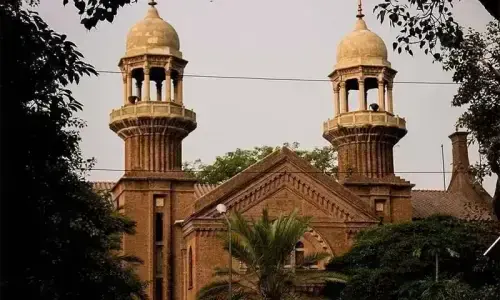
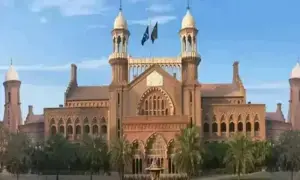
Now, he is banking on the Lahore High Court’s (LHC’s) order to the health officials to find the cause of death and punish the doctors involved in delaying the case.
LHC Justice Muhammad Fakhar Irfan Khan ordered the provincial health secretary and the health director general in December, 2013, to make a fresh standing medical board to ascertain the cause of death and also ordered punishment for the medical officers of Chichawatni Tehsil Headquarters Hospital and the Sahiwal District Headquarters hospital for their ‘foul play’ with post-mortem findings.
The LHC order says: “It is ‘malicious’ and ‘professional incompetence’ of doctors that no cause of death was ascertained till date.”
Din wants the story, which began in March, 2009, to be culminated soon.
In March, he arranged the marriage of his daughter Aliya Naz, 23, with Ali Imran, the first cousin of Aliya. Ali Imran lived in Karachi with his brother Ali Akbar. The couple moved to Karachi soon after the marriage and had a daughter in April, 2010.
On Sept 17, Ali Imran informed his in-laws that Aliya had died of typhoid. Din Muhammad got suspicious as just three days back Aliya’s brother, Umer, had visited her in Karachi and had found her healthy.
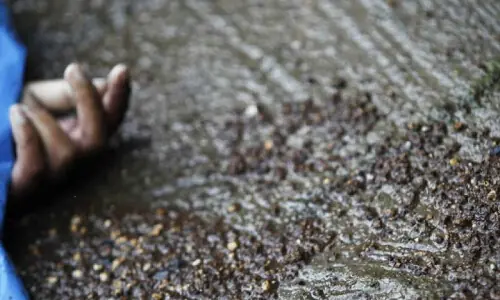
After a few weeks, Din moved the court of law and got the grave exhumed on Oct 28, 2010. The medical board found inside the wooden coffin another iron coffin. The iron coffin was cut only to find Aliya’s beheaded body wrapped in a blood-stained dress.
Dr Saima Sabah took body tissues and sent to the Multan Forensic Lab. The lab reported back that tissues sent after a month delay were too ‘spoiled’ to be examined. Din approached the Sahiwal commissioner and got formed a medical board of the Sahiwal DHQ hospital doctors.
The board in its finding held Dr Saima and Dr Younis responsible for showing “criminal negligence” in damaging the samples and recommended a second exhumation.
In the second exhumation on Nov 19, 2011, samples were taken and sent to the chief chemical examiner in Lahore.
Din says he never got any report from the chief chemical examiner.
Now, he has moved the LHC making respondents the health director general, the health secretary, the medical superintendents of Sahiwal and Chichawatni hospitals and doctors.
Dawn learnt from sources that the third exhumation was done on Jan 13, 2014. A team of senior doctors came from Lahore that collected the body samples.
Under the court orders, the health director general and the provincial health secretary will find the cause of death and take action against the negligent doctors in four weeks. The court will hold the next hearing on Feb 11.