17
17


ISLAMABAD: Pakistan's new government announced Wednesday a 10 per cent increase in defence spending a week after taking office, despite a crippling budget deficit of 8.8 per cent.
The budget for fiscal year 2013-14, which begins July 1, comes against a backdrop of weak economic growth, high inflation, dwindling foreign exchange reserves and unprecedented power cuts.
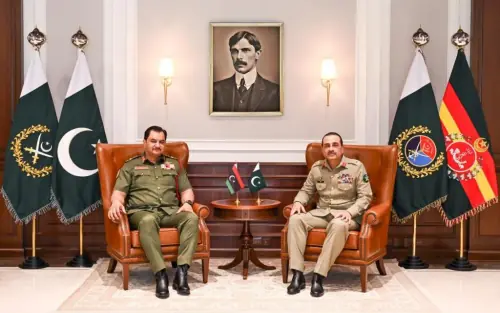
But the new budget earmarked 627 billion rupees ($6.3 billion) for defence, a 10 per cent increase compared to 570 billion rupees in the outgoing year, ending June 30.
Prime Minister Nawaz Sharif took office last week after winning the May 11 elections, which marked an historic transition of democratic power in a country ruled half its life by the military.
The military is the most powerful institution in Pakistan. Sharif has in the past had troubled relations with the army, which in 1999 deposed him in a bloodless coup.
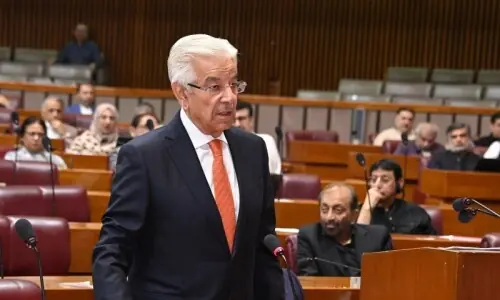
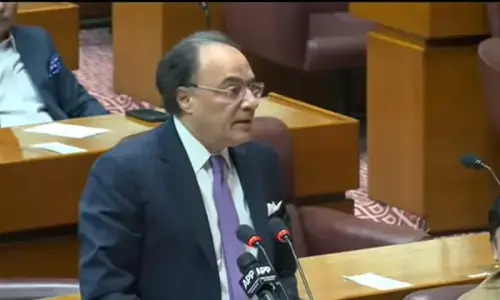
Finance minister Ishaq Dar told the National Assembly that the government would clear $5 billion in circular debt from the energy sector within the next 60 days.
“This will greatly help minimise power cuts in the country,” Dar said, giving no details on how the government would find the money to pay the bills.
Years of mismanagement, under-investment and corruption cause blackouts of up to 20 hours a day in blistering summer heat, when temperatures reach up to 50 degrees Celsius (122 Fahrenheit).
Pakistan is still paying off a $11.3 billion International Monetary Fund loan from 2008. Analysts believe the government must return to the lender to stave off a balance of payments crisis.
“Our government has chalked out a comprehensive reforms programme for economic development, which will control inflation, build the revolutionary change in the country's infrastructure and provide employment to youth,” Dar said.
Again, he provided no precise details.
He promised that the government would reduce the budget deficit by 2.5 per cent in the forthcoming year to 6.3 per cent and to four per cent within three years.
“The key point of our budget this year is to reduce the fiscal deficit and prevent the national economy from being adversely affected,” the minister said.
On Tuesday, he unveiled figures that showed the outgoing government had fallen below target in virtually every economic indicator.
Dar said GDP in the outgoing fiscal year was 3.6 per cent compared to a target four per cent.
The government has set a new target growth of 4.4 per cent for the coming fiscal year.