4
4
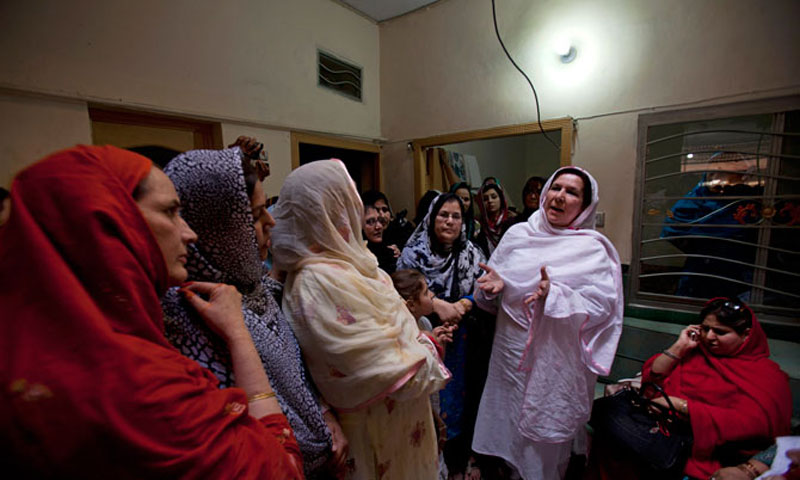

POST-elections, amidst the cacophony of vote-rigging allegations and demands for recounting and even re-polling in certain cases, little notice has been taken of the blatant disenfranchisement of women in some parts of the country. While a few agreements between local chapters of various political parties to bar women in the areas from voting had come to light before the elections, such as in Mianwali and Lower Dir, others have surfaced now. In Upper Dir, it seems representatives of various parties had made a similar pact. Likewise, in Bajaur, only 2,800 women out of a registered 130,000 plus — a mere three per cent — were able to cast their votes because religious/ political parties and tribal elders flouted earlier commitments to the contrary and barred women from voting.
This issue, repeated every election cycle in Pakistan, and one that makes a mockery of the concept of universal adult franchise, must be treated as seriously as any other form of electoral malpractice. In the run-up to the election, the ECP vowed it would go the extra mile for women voters and, in its draft bill on electoral reforms, included the requirement for re-polling at polling stations with less than 10pc turnout of registered women voters. The bill, however, was never legislated upon by parliament. Nevertheless, according to Pakistan’s electoral laws, preventing individuals from exercising their right of franchise is as illegal as compelling individuals to vote for a particular candidate, and the ECP must take action against those who deprived women of their right. Meanwhile, it is unfortunate that only six women have been elected on general seats to the National Assembly as opposed to 16 in 2008. It is indicative of the prevailing mindset that of the 150 women who stood for election to the Assembly, only 36 had been nominated by the political parties. It is high time that our political culture casts off its regressive mindset and gives women’s vote and their representation in parliament due importance.