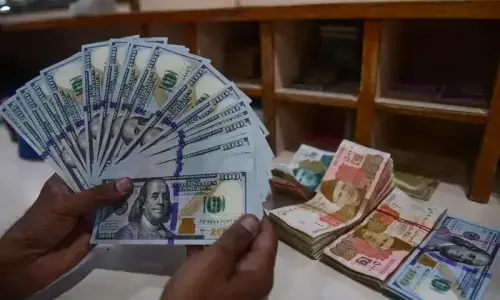
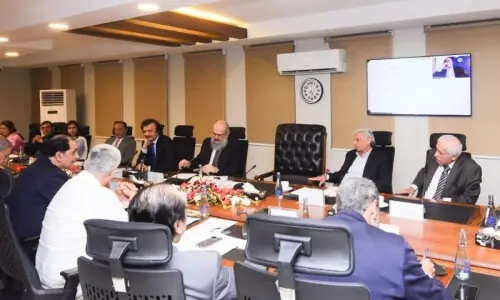
KARACHI: Though they don’t show much understanding of the technicalities of monetary policy and how it differs from fiscal management, teachers, engineers and doctors – the professionals among us – do have much to say regarding inflation and its impact on their lives, withdrawal of subsidies, high rates of taxation, etc. Any discussion on economy takes little time in moving towards “lack of transparency” and “a culture of kickbacks and corruption”.
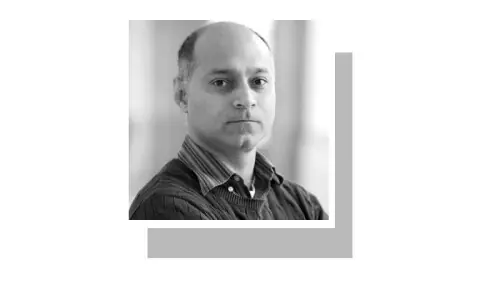
Prof Diwan Aftab, Chairman of the Senior Educators Forum, expressed concern over the galloping inflation, unemployment, crime rates and social unrest and stagnation in economy. According to him, the low interest rate had encouraged people to invest in the stock market, real estate or prize bonds and investment schemes instead of relying on savings accounts.
Prof Iftikhar Azmi, Karachi General Secretary of Sindh Professors and Lecturers Association, lamented “soaring inflation” and “persistent economic mismanagement”, “especially during the last four years” He said interest rate fluctuation don’t affect the common man directly.
“The Finance Ministry and the government are all responsible for this malaise. Had there been a better economy, there would not have been murders for Rs10,000 and Rs15,000,” he commented.
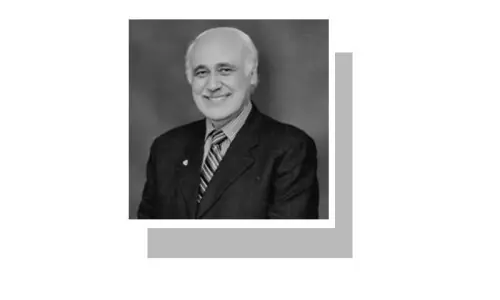
M A Jabbar, a former member of Pakistan Engineering Council governing body, said that monetary policy outlook had “remained theoretical”, while monetary policy expansion had “remained isolated”. As rates have remained on the upper side and have lately been revised downwards, the private sector has discontinued taking loans from the banks.
Because the government was withdrawing subsidies, and at the same time planning a free market, it was affecting local output, he said. The increased cost of utilities had come heavy on local production as well.
It was the job of the central bank to help the economy grow, and to stabilise prices, but it has failed in its objectives, he said, adding that after policy rate fluctuations, people had stopped investing.
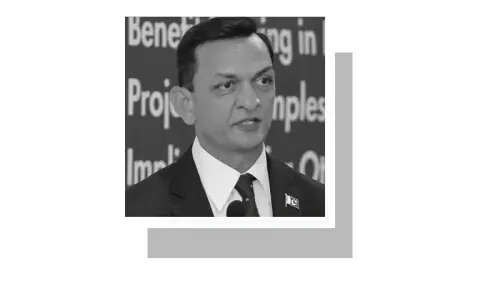
Reacting to frequent rise and fall of the interest rate, Pakistan Medical Association’s Central President Dr Tipu Sultan said that it leaves an overall impact on those drawing fixed income, especially professionals who often make purchases on installments, and get stuck in a deep quagmire.
“The salaried class earning a fixed income is in real trouble,” he said, lamenting indirect taxes on household items, especially fluctuations in utility charges, which horribly increase the utility bills. Salaries, he said, need to be indexed to inflation.