4
4

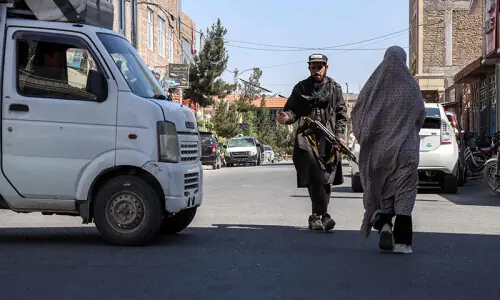
Last week I began exploring the idea that one theme of my planned book of topical travel around the United States might be how un-exceptional my country actually is, fundamentally similar as it is to any other country in its susceptibility to authoritarianism, inequity, and other “Third World” afflictions. Since then, the “Occupy Wall Street” thing has burgeoned into an incipient national movement, and I’m finding new resonances in something Todd Shea told me more than two years ago about Pakistan. “It’s very simple,” Todd said.
“If these things [e.g., aid from the US] line the pockets of ministers and feudal landlords and the elite, if the masses don’t benefit, there’s a danger of revolution-type magnitude. And if that happens, the feudals are likely to lose everything. People will partner with extremists, because extremists are giving aid in areas where none of the above are present. The feudals should give half their land to the people that have been living on it all these years. Isn’t it time? Give them hope, for God’s sake.”
Revisiting Todd’s words reminds me of how assiduous people can be when they’re determined to avert their eyes from the obvious. If Todd is right about the Pakistani elite having an opportunity to save itself by tempering its greed and arrogance, what about the American elite?
Wherever we might ultimately end up, what we’re starting to see on the streets of American cities is a consequence of the bankruptcy of gentlemanly electoral politics as bound by quaint things like traditions and unspoken rules. In recent years, the word “civility” has gained widespread cant usage throughout the American chattering classes. What “civility” has meant, in practice, is that the lumpen right wing can do or say anything it wants, its allies in the Republican establishment wink and claim plausible deniability, and the thoroughly compromised Democrats pat their constituents on the head and tell them to be patient.
It’s fine to be civil, but Martin Luther King wrote a book titled Why We Can’t Wait. And underscoring the crucial importance of grassroots action is this paragraph from the Los Angeles Times obituary of the Rev. Fred Shuttlesworth, King’s more militant close associate who just died at age 89:
“In 1963 their collaboration culminated in massive demonstrations in Birmingham to pressure downtown department stores to desegregate. Later that year when President Kennedy introduced to Congress the legislation that became the Civil Rights Act of 1964, he told King and Shuttlesworth, “But for Birmingham, we would not be here today.”
In other words, don’t complain about how the politicians are letting you down, unless you’re willing to do something yourself. But now as then, we’re starting to see multitudes of Americans finally growing sick and tired of being bullied and patronised.
“The coverage is so unbalanced that progressives must feel that they’re all alone; I know I do,” one acquaintance told me. “But I suspect there are many more of us than there are of them, so the question is how to wake up the sheep and get them moving. This has always been the question, and I suspect the answer is to get into the streets. But that’s frightening, for the simple reason that the right wing loves violence.”
Read full article here.

The views expressed by this blogger and in the following reader comments do not necessarily reflect the views and policies of the Dawn Media Group.