0
0

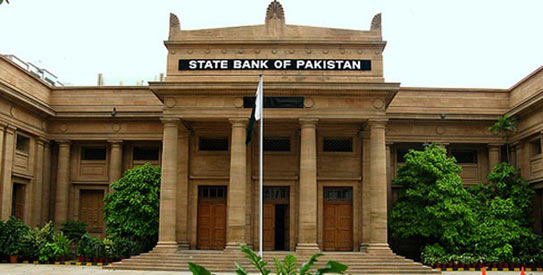
KARACHI: The government on Wednesday raised a staggering sum of Rs232 billion from the banking system reflecting its increased dependence on borrowed money while the eagerness of the banks to invest in the security papers was also visible.
The State Bank report showed that the banks were willing to invest in treasury bills more than the accepted amount while the cut-off yield was almost the same.
The banks offered a total bids worth Rs352 billion reflecting enough liquidity in the banking system but it also reflected that banks were not taking pain to make advances to the private sector, which is the real force behind the growth of any economy.
The government has been under tremendous pressure from the IMF to stop borrowing from the State Bank because it inflates the economy and deteriorates the investment environment.
However, the government has now been making extensive borrowing from the scheduled banks offering risk-free return of up to 13.8 per cent.
This return is enough to keep the banking sector profitable in an economy failing to grow. The bank profits have been rising every year giving false picture of the economy. While the ‘unproductive’ cash flow towards the government is unable to generate economic activity, it also drastically curtailed opportunity for the private sector to enter into new business or expand its already existing business.
The State Bank reported on Wednesday that the private sector’s total borrowing from the scheduled banks was just Rs177 billion while the government’s borrowing soared to Rs317 billion during first nine months of this fiscal year.The auction of T-bills showed that the banks were investing more in the T-bills for six-month tenure reflecting the investors’ belief that policy interest rates would remain stable or fall in the coming months.
Earlier, the banks have been investing in three-month papers to avoid losses in case of further increase in the discount rate, which looks stable now.
According to auction results, the banks invested Rs168 billion for 6-months (13.62 per cent) Rs47 billion for 12 months (13.86 per cent) and Rs16.9 billion (13.25 per cent).
Despite severe cuts in the development expenditure the government is still facing threat of widening of the fiscal deficit as it could not improve revenue generation.