WASHINGTON: The Bin Laden documents, released by the US military on Thursday, have no explicit references to any institutional Pakistani support for al Qaeda or its operatives.
The documents, collected by US commandos when they raided Osama bin Laden’s compound in Abbottabad on May 2 and killed him, also show that al Qaeda’s relations with Pakistan were fraught with difficulties.
The discussion of Pakistan is scarce and inconclusive. Although references are made about “trusted Pakistani brothers”, they do not disclose who these brothers are.
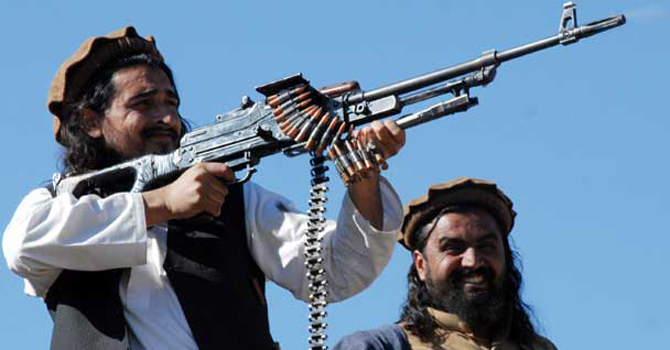
The documents also show that Tehrik-i-Taliban Pakistan had come incredibly close to provoking a direct and public confrontation with al Qaeda’s leadership.
Its indiscriminate attacks against Muslims caused two al Qaeda leaders Atiyyatullah and Abu Yahya alLibi to write to TTP leader Hakimullah Mahsud to express their displeasure with the group’s “ideology, methods and behaviour”.
They also threatened to take public measures “unless we see from you serious and immediate practical and clear steps towards reforming [your ways] and dissociating yourself from these vile mistakes [that violate Islamic Law]”.
The documents make it clear that Bin Ladin was not informed of the TTP’s failed attempt to bomb New York’s Times Square by Faisal Shahzad in May 2010. Bin Ladin was following Shahzad’s trial in the news and was disappointed by his performance, which he thought distorted the image of jihadis.
Bin Laden also reminds TTP leaders that as US citizen Shahzad had taken oath of allegiance to the United States and should not commit ‘treason’ by violating this oath.
One document includes a list of 30-50 journalists around the world and advises al Qaeda operatives to send their propaganda material to these journalists.
In Pakistan, Hamid Mir and Salim Safi, Rahimullah Yusufzai, Jamal Ismail, and at and an unidentified Al Jazeera correspondent were on this list.
“It would be good if we send it to those journalists and writers. We would inform each that he has been chosen to be amongst a group of international journalists and writers,” the letter says.
“And they will receive special media material on the tenth anniversary of 9/11. It will be favourable if the message sent to them also includes … reasons that call them to be interested in this material and to cooperate in publishing its mission for the world, plus other
convincing arguments.”
The journalists would also receive a password and a site address to download the materials at the right time, about 5 days before the anniversary, the letter adds.
“But from what I know about the black reputation of Pakistani Taliban, I am confident of what was stated, particularly as these information verify each other,” says one letter which does not have the author’s name but is apparently from Bin Laden or one of his senior aides.
It notes that the TTP was targeting religious and tribal leaders, mosques and public places across Pakistan, killing men, women and children.
It notes that after one attack, TTP accused Blackwater of orchestrating the bombing failed but failed to prove its claim.
The document also refers to a propaganda video released by Uzbek militants who pledged to bomb mosques across Pakistan as revenge for the military’s attack on the Red Mosque, and to bombard other mosques.
The author discusses such attacks with a young militant, saying: “This is not acceptable … even if the mosque is in a military or government compound.”
“The young man did not accept my story, and replied that most –or maybe- all mosques now are mosques of evil full of informers, spies and government employees and they have no mercy on them,” the author adds.
The author then refers to another group of militants who went to Kurrum to ambush a military patrol, which was delayed.
The leader of the militant group then suggested that they should attack the Shia instead.
This annoyed the head of another militant group, which was cooperating with them and prevented the attack.
“The list is quite long,” argues the author, and includes robbery, kidnapping and other crimes committed by those corruptors.”
The author points out that taking over mosques and spilling the innocent have always been associated with “the worst groups and individuals”.
“I have no doubt that what is happening to the Jihadi movement in these countries is not misfortune, but punishment by God on us because of our sins and injustices and because some of us are silent over these sins.”
The author points out that a Mujahid should not obey Emir’s orders if those orders lead to God’s disobedience, “even if his Emir was Khalid Ibn al-Walid.”
If an individual is martyred, the author argues, and owned a few dinars to someone before he died, he will be denied heaven until the debt is paid.
“Now, how about he who has killed scores or even hundreds of Muslims in absolute injustice? He is more eligible to be denied the heaven.”
The author urges “the wise men of Taliban movements in both Pakistan and Afghanistan to review his statement” and stop the killings.
One document refers to a report by a Pakistani journalist residing in America, which notes that most of the questions raised at President Obama’s mid-term news conference dealt with America’s bad economy.
The author then asks al Qaeda operators to release OBL’s statement prepared for the 10th anniversary of 9/11 because it too dealt with America’s economic woes.