Trapped in the vicious poverty cycle along with rapid population growth, rural natives seek opportunities in developed urban cities. Settlers from smaller cities and villages migrate to cities in the hope for better employment.
However on arrival, migrants discover that their needs are neglected and in a city like Karachi where income inequality is more evident, they have to resort to petty crimes and beggary to make ends meet.
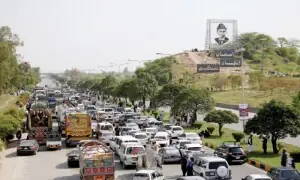
Rural-urban migration is fuelling problems like pollution, congestion and over population giving rise to numerous socio – economic issues.
Of the total population estimated at 153.45 million in 2005, 101.22 million lived in rural areas (65.96 per cent) and 52.23 million lived in urban areas (34.04 per cent).
By 2010, the population is expected to reach 167.37 million at an annual growth rate of 1.8 per cent, with the rural and urban populations at 106.55 million (63.66 per cent) and 60.82 million (36.34 per cent) respectively.
During 2005-10, the rural and urban pollution growth rates are estimated to rise from 1.1 to 3.3 per cent. Urban population will grow at a higher rate.
There are about 50,000 villages with populations below 10,000; around 448 small towns with population less than 100,000; 40 medium size towns with population above 100,000; seven metropolitan cities of Faisalabad, Multan, Gujranwala, Hyderabad, Peshawar, Rawalpindi and Quetta with population in excess of one million; and the two megacities of Karachi and Lahore.
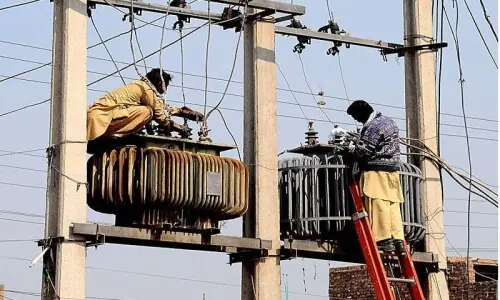
Infrastructure and services in both rural and urban areas are deficient and substantial improvements are needed. The rural areas continue to lag behind in the availability of physical infrastructure, education and health facilities, safe drinking water supply and sanitation and other social services.
Metropolitan cities comparatively, offer higher opportunities in terms of awareness and personal development, providing a learning experience for the illiterate and uneducated masses. However, these cities are now saturated and over populated,which makes it difficult to accommodate countless outsiders.
According to the report on Pakistan, a relatively large number of rural-urban migrants cross provincial boundaries. At least one in every three city dwellers lives in a slum. Many migrants who move to larger, developed cities in order to find jobs and to lead a better life, do not necessarily obtain them, in the formal sector. The informal sector provides employment to most migrants, typically unskilled manual labour that is paid on minimum daily wages.
To discourage migration from rural to urban localities, the government should adopt measures to provide economic as well as social well being, skill training and development of manpower, infrastructure at village level and improved micro-financing for self-employment.
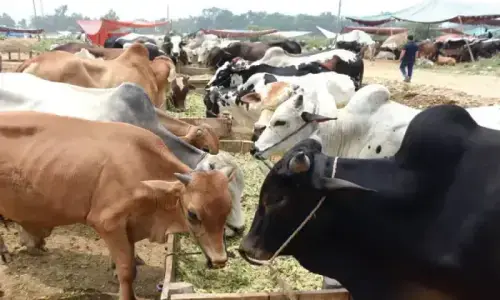
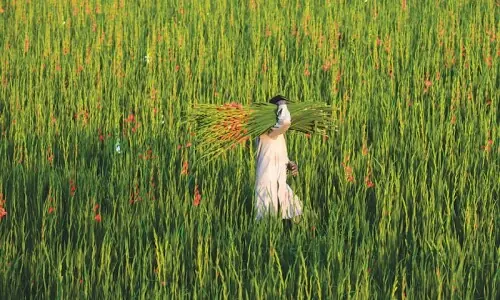
The rural sector is the backbone of the economy and poverty remains high in these areas, with low level of quality life. Despite various measures taken to develop the rural areas, deficiencies remain in the provision of basic infrastructure and social services. Local governments, supported by the provincial and federal governments need to develop the rural sector by improving access to land, water and livestock, enhancing activities in the non-farm sector, including agro-processing, provision of agricultural inputs and supply of basic consumer goods and services. New sources of plantation and improving agriculture should be identified. This will increase the aggregate income of rural population, making it financially independent. Emphasis should be laid on promoting rural industrialisation and market development.
To promote rural industrialization, employment should be maximised through promotion of labour intensive industries and technologies in small and medium enterprises (SMEs). In addition, investments should take place for further improving cottage industries which would create value addition and enhance worker skills and human capital development.
Efficient marketing systems and rural market development is essential for increasing agricultural production and ensuring better returns for growers. The marketing system in the rural areas has many deficiencies, thus reducing farmer’s profitability and incentives to produce and consequently, increasing the probability of rural migration. And finally, human capital development is the primary and most effective means for reducing chronic absolute poverty and inequalities in income.