Bangladesh Jamaat leader loses final appeal against execution for war crimes

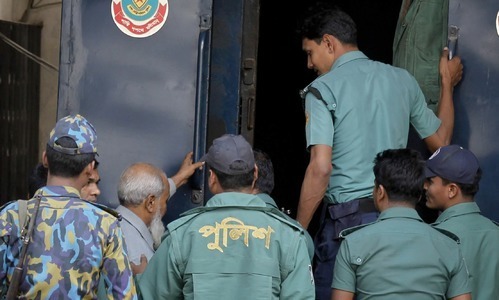
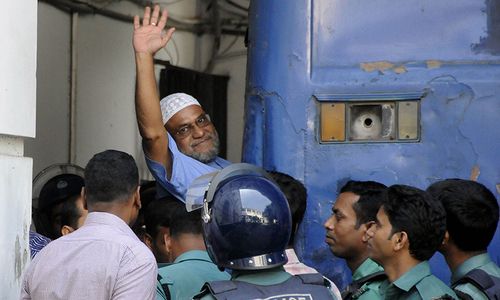
DHAKA: Bangladesh's top court on Tuesday rejected a final appeal by a leader of religious Jamaat-i-Islami party against a death sentence for atrocities committed during the 1971 war of independence, lawyers said, meaning he could be hanged at any time.
The verdict comes as the Muslim-majority nation suffers a series of militant attacks, the most serious on July 1, when gunmen stormed a cafe in the capital, Dhaka, and killed 20 hostages, most of them foreigners.
In March, the Supreme Court had upheld the death penalty for Mir Quasem Ali, 63, a media tycoon and key financier of Jamaat, for murder, confinement, torture and incitement to religious hatred during the war to leave Pakistan.
"Now it is only a matter of time to execute the verdict, unless he seeks clemency from the president," Attorney General Mahbubey Alam told reporters after a panel of five judges headed by Chief Justice Surendra Kumar Sinha rejected the appeal.
Lawyers for Ali could not be reached immediately for comment on whether the party leader would seek clemency.
The war crimes tribunal set up by Prime Minister Sheikh Hasina in 2010 has sparked violence and drawn criticism from opposition politicians, who say it is victimising her political opponents. The government denies the accusations.
Human rights groups say the tribunal's procedures fall short of international standards, but the government rejects that assertion, and the trials are supported by many Bangladeshis.
Authorities have deployed additional security forces in the capital, Dhaka, and elsewhere, as similar previous judgments triggered violence that killed around 200, mainly Jamaat activists and police.
Since December 2013, four Jamaat leaders, including former top leader Motiur Rahman Nizami, and a leader of the main opposition party, led by former premier Khaleda Zia, have been executed for war crimes.
Official figures show about 3 million people were killed and thousands of women raped during the nine-month war, in which some factions, including the Jamaat-i-Islami, opposed the break from what was then called West Pakistan.
But the party denies its leaders committed any atrocities.