ISLAMABAD: Saudi Foreign Minister Adel al Jubeir has denied that Pakistan mediated between Saudi Arabia and Iran amid recent tensions between the two rival countries, Bahrain’s state media reported Monday.
Some countries had offered to mediate and communicate ideas between Riyadh and Tehran, however there will be no mediation "unless Iran responds positively", the Bahrain News Agency (BNA) report quoted Jubeir as saying.
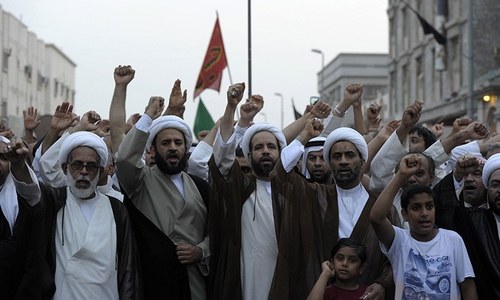
In what was described as a significant diplomatic mission, Prime Minister Nawaz Sharif and and the Chief of Army Staff Gen Raheel Sharif last week met the Saudi and Iranian leaderships in their respective capitals for what the government described as a move for defusing tensions between the two Muslim countries that were sparked by execution of Saudi dissident Sheikh Nimr and the subsequent attack on Saudi mission in Iran by protesters.
Jubeir's statement is in contrast to the prime minister's, who upon the conclusion of his “mediation trip” had struck an upbeat tone, saying Pakistan’s initiative was welcomed in both capitals and he expected it to progress.
Related: Pakistan ‘ready to act as mediator’
“Saudi leadership told me that they did not see Iran as an enemy and I heard similar sentiments from Iranian leaders, who too are not in favour of tensions,” the premier said at the time.
"Iran knows what is required from it," the Saudi foreign minister said, speaking on the sidelines of the first ministerial session of Gulf Cooperation Council (GCC)-India Cooperation Forum.
Iran has adopted a hostile approach towards Arab countries by meddling in their internal affairs, sowing sectarian strife and backing terrorism as confirmed by numerous strong evidences, Jubeir alleged.
He was quoted as saying that Iran should change its policy and method of dealing with its neighbours on the principle of good neighbourliness and refrain from interference in the internal affairs of other countries so that the path will be open to building better relations with its neighbours, he said.
Saudi Arabia and some of its allies broke off ties with Iran over the embassy attack earlier this month. The United Arab Emirates downgraded relations while some others recalled their envoys in protest.
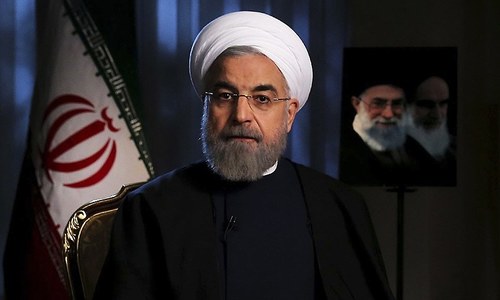
The Iranian government had quickly distanced itself from the attack, saying the protesters had entered the Saudi embassy despite widespread efforts by the police to stop them.
The development came two weeks before Iran emerged from years of economic isolation when world powers lifted crippling sanctions against the Islamic Republic in return for Tehran complying with a deal to curb its nuclear ambitions.