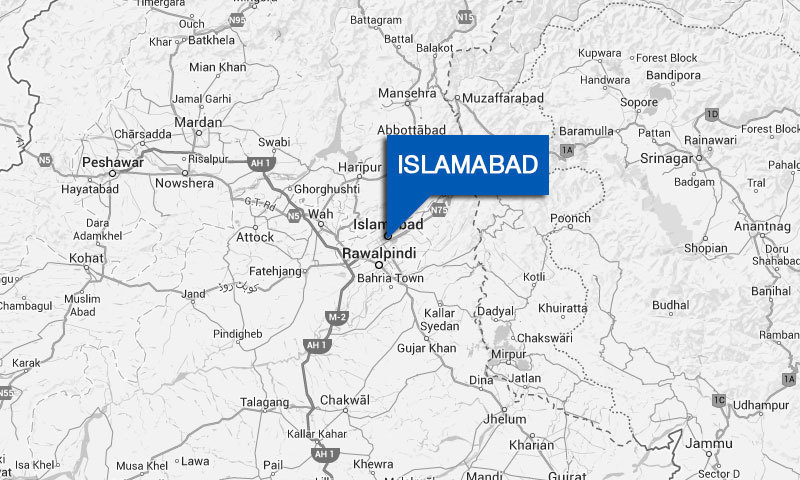
ISLAMABAD: The military top brass on Monday took stock of the emerging political crisis in the country because of agitation planned by the Pakistan Tehreek-i-Insaf and the Pakistan Awami Tehreek on Aug 14.
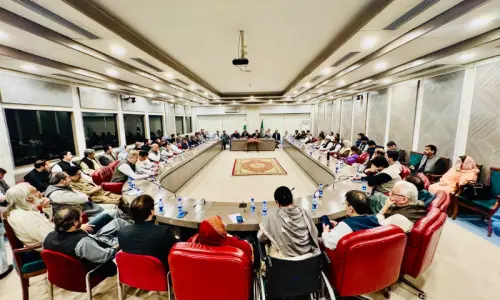
The discussion took place at the Corps Commanders Conference at the GHQ, which was presided by Chief of Army Staff Gen Raheel Sharif.
A couple of participants confirmed that discussions took place over the “political developments”, but wouldn’t speak about the nature of the deliberations or the conclusions reached because of the sensitivity of the matter.
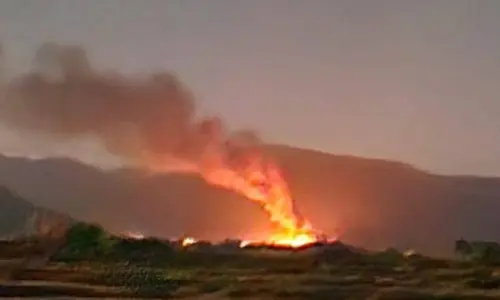
A statement on the meeting issued by the military’s public affairs wing – ISPR – too did not say anything about the issue and focused on the briefing to the commanders on Operation Zarb-i-Azb in North Waziristan.
The military may have chosen to stay quiet on the matter, but it was not much helpful in quashing speculations that have been doing rounds in the country.
While whispering has been going on, Prime Minister Nawaz Sharif gave voice to those fears as he speculated about the “secret hands orchestrating the long marches”.
“It hurts and confuses me – who has given them (PTI and PAT) these agendas,” Mr Sharif asked while speaking at the launch of the government’s economic ‘Vision 2025’.
Meanwhile, the United States has conveyed to the Army that it will not be supporting any extra-constitutional step in the country as a result of the agitation and will apply sanctions in case of such an eventuality.
Troops have been deployed in the federal capital for security since the start of military operation in North Waziristan. This makes it all the more important to see how the military plans its response, when the marchers begin arriving in the city.
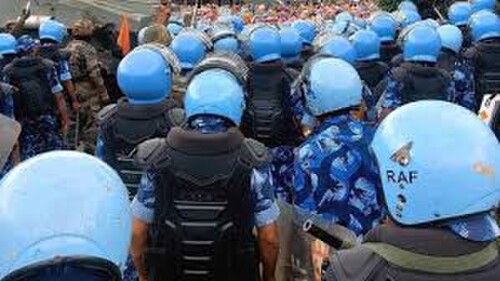
Civilian law enforcement agencies have, meanwhile, taken unprecedented steps to stop the marches.
Discussing operation Zarb-i-Azb, the commanders laid stress on not allowing terrorist groups to regroup and return to areas cleared by the military. “Neither will they be allowed any space across the country,” the ISPR statement added.
Gen Raheel Sharif consolidated operational gains made so far by the military in North Waziristan.
In a reference to the government, the COAS hoped that “concerned stakeholders” would make long-term plans for counter-terrorism and counter-extremism.
“Recounting the sacrifices made and cooperation extended by the tribals in fight against terrorism, COAS directed all concerned that no stone be left unturned to assist IDPs during their stay outside and in their early return to their homes,” the ISPR said.
Published in Dawn, August 12th, 2014