The mob arrived at around midnight, brandishing clubs. They smashed statues, looted gold artifacts and then set the Hindu temple in Pakistan ablaze.
An accusation of blasphemy sparked the attack in the town of Larkana, human rights activists said, part of a spike in violence against Hindus in predominately Muslim Pakistan.
March was the worst month for attacks on Hindus in 20 years with five temples attacked, up from nine during the whole of 2013, said Life for All, a Pakistani rights group. But it's not just Hindus who feel victimised.
All of Pakistan's minorities — Hindus, Christians, Ahmadis and even Shia Muslims — feel that the state fails to protect them, and even tolerates violence against them.
Many complain the problem has become worse since Prime Minister Nawaz Sharif came to power last year.
Non-Muslims make up a small fraction of the 180 million people in Pakistan. Muhammad Ali Jinnah, the founder of the country's creation as a haven for the sub-continent's Muslims, ushered in independence in 1947 with a promise to minorities that they would enjoy freedom of worship and equality without discrimination.
But for many members of Pakistan's minorities those words ring hollow.
The US Commission on Religious Freedom said in a recent report that conditions in Pakistan had "hit an all-time low" and governments had failed to adequately protect minorities and arrest perpetrators of crimes against them.
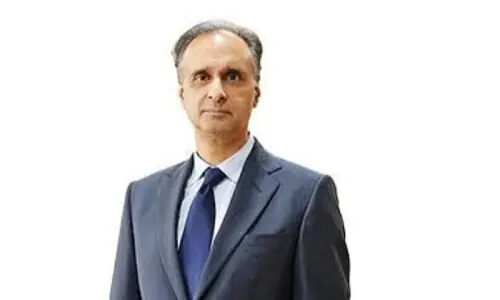
"Pakistan is increasingly failing to protect its minorities for two broad reasons: principally, rising religious intolerance and the space ceded to violent ideologies," said Sherry Rehman, who was a government minister and ambassador to the United States under the previous Pakistani administration.
The government launched peace talks with the Taliban in February and rights activists fear that they and other militants have been emboldened by the talks to step up attacks on minority groups.
Activists also say the tolerance of militancy provides cover for opportunist attacks by those who just want to grab land, homes or businesses of minority neighbors under the guise of religion.
Hindus and members of other minorities say the situation has worsened since Sharif won an election last year. Sharif has close ties with Saudi Arabia, whose brand of conservative Islam is preached by many of the people who denounce minorities. Saudi Arabia, the center of Sunni Islam, has long supported hardliners in Pakistan. It recently gave the country a gift of $1.5 billion.
Impunity
Whatever the cause of the surge of violence and abuse, many Pakistani Hindus in the richest province of Punjab are feeling beleaguered and increasingly looking to get out. More than 100 families are leaving for India each month, rights groups say.
Among those who have gone were Munawar Jee's brothers and their families after his married sister was kidnapped last year. Her abductors got her certified as a Muslim convert and re-married her off the next day.
Recanting Islam would mean she could legally be put to death.
"Losing my sister is the biggest regret of my life," Jee told Reuters at his shoe shop in Punjab's Rahim Yar Khan district. He said he would soon join his family in India.
Hindus say their women are easy targets for rape or forced marriage. Temples are attacked and looted. Accusations of blasphemy, punishable by death, are increasingly being used to drive Hindus from their homes, they say.
Punjab, the prime minister's heartland, had until recently been a refuge for Hindus compared with some other areas.
But the province has also become a power base for militant groups.
Federal Information Minister Pervaiz Rashid did not return calls seeking comment on policy towards minorities. A Punjab government spokesman rejected the suggestion that authorities were not doing enough to help Hindus.
"The government is committed to protect its religious minorities," said Shoaib Bin Aziz, adding he was not aware of an increase of Hindus leaving. He denied that the provincial government was soft on militancy.
"Terrorists are not friends of anyone," he said. "The Punjab government does not have soft corner for any terrorist organisation."
Hindu activist Kirshan Sharma said such reassurances meant little. The government was talking to the Taliban but refused to protect Hindus, he said.
"Pakistan has kneeled before the Taliban by holding talks," Sharma said. "What hope can Hindus see in the country's future?"