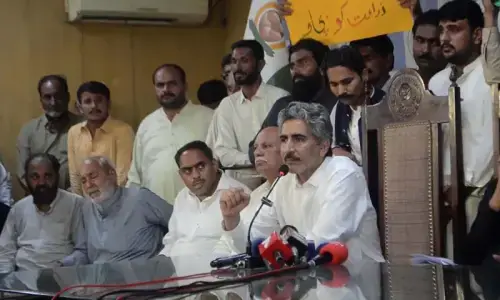
ISLAMABAD: Negotiator for the Tehreek-i-Taliban Pakistan (TTP) and Jamaat-i-Islami leader Professor Ibrahim on Thursday said that the TTP negotiating committee would continue to work for the cause of peace irrespective of circumstances, DawnNews reported.
Ibrahim’s comments came a day after the outlawed TTP announced that while it was not extending its ‘ceasefire’, it would keep the dialogue option open provided the government took steps indicating ‘clear progress’ on its two key demands, namely the creation of a demilitarised peace zone and release of non-combatants.
Speaking to DawnNews via telephone today, Ibrahim said the committee would try to convince the Taliban to extend the ceasefire.
The JI leader said a number of complaints from the Taliban's end had come forward via the media, adding that the TTP's concerns should be addressed.
He said contact should continue between the two sides, adding that that could soon lead to a resolution.
Ceasefire comes to an end
The TTP on Wednesday announced that it was not extending its ‘ceasefire’, adding that the government had not demonstrated seriousness about Taliban’s demands for creation of a demilitarised peace zone and release of non-combatants.
The group, however, said it would keep the dialogue option open provided the government took steps indicating ‘clear progress’ on the two demands.
The announcement was made after two days of deliberations by the central shura, which media reports had earlier claimed focused on clashes between two factions of the TTP in South Waziristan.
In a statement issued on Wednesday, Taliban spokesman Shahidullah Shahid had said that the government responded to “a gift of 40 days of ceasefire by the TTP” by launching an “operation root out” killing more than 50 Taliban fighters, arresting over 200 people for their alleged links with the group, carrying out raids and more than 25 search operations and torturing prisoners.
The statement had also accused the government of not bothering to consider what the TTP called Taliban’s ‘reasonable and concrete suggestions’ about a peace zone and release of non-combatants.
It had moreover said that the TTP had kept the negotiating committee abreast of the situation from time to time and made it clear that ‘violations by the government’ adversely affect peace talks.