FAR too much evidence of climate change and global warming has by now stacked up to allow the naysayers to keep arguing. Mankind and its activities are adversely affecting the planet, and a process of the wipe-out of natural and renewable resources is under way. Many of the consequences of humanity’s polluting activities can no longer be reversed. The only hope lies in the world taking rapid action to slow down the pace of deterioration as far and as soon as possible. If all this sounds apocalypse-like, it is rendered all the more so given the source: in Japan last week, a comprehensive report released by the UN’s Intergovernmental Panel on Climate Change blamed “human interference” for climate change, the effects of which “are already occurring on all continents and across the oceans” in a world that is mostly “ill-prepared” for the risks posed by the sweeping changes. As the IPCC chair Rajendra Pachauri said, “nobody on this planet is going to be untouched….”
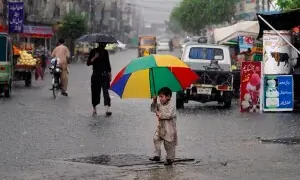
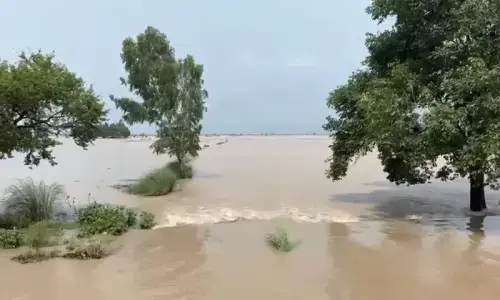
The consequences sound like a library of ideas for grand-scale disaster movies: decreased water availability, changes in crop yields, the compromised supply of food and widespread hunger; devastating coastal flooding and inland flooding that will damage big cities; extreme weather occurrences disrupting the supply of some of what many take for granted, such as electricity and running water; increased chances of armed conflicts between nations and communities as a result of water and food scarcities. The list is a long one, and the report says that while humans may be able to adapt to some of these changes, this will only be within limits. Ironically, while it is the developed world that has contributed most to global warming through polluting activities, it is the world’s poorest populations that will suffer the most from rising temperatures and rising seas. And this is where smaller, underdeveloped countries such as Pakistan need to start formulating plans. As we have seen over the past several years, this country is not equipped to handle flooding; food scarcity is already a growing problem; glacier-melt is a reality. These issues will only intensify. The world as a whole needs to think green; countries that are especially vulnerable need to square up to the challenge.