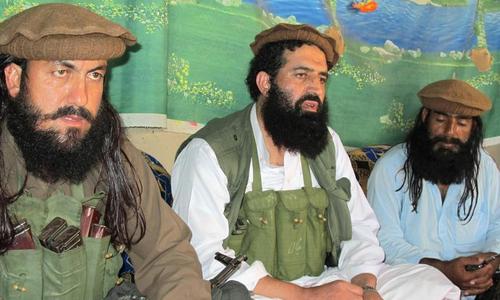
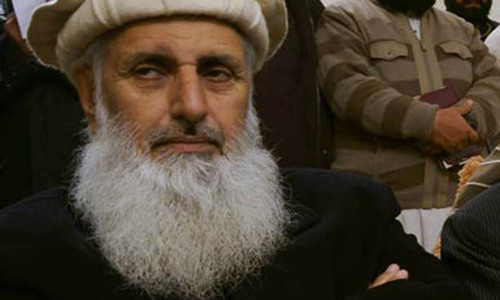
ISLAMABAD: Maulana Samiul Haq, a member of the Pakistani Taliban negotiating committee on Saturday dismissed speculation that peace talks with the government were deadlocked, saying negotiations had made steady progress as he voiced optimism over a possible ceasefire extension.
The government began negotiations with the Tehreek-i-Taliban Pakistan (TTP) through intermediaries last month to try to end the Islamists' bloody seven-year insurgency.
On Wednesday, a four-member government committee comprising three civil servants and a former diplomat held their first meeting with members of the TTP's political council in North Waziristan tribal district.
Few details emerged from Wednesday's talks but extending a month-long Taliban ceasefire – declared to help the peace process but due to expire next week – was seen as a top priority.
“Inshallah (God willing), the ceasefire will hold,” Samiul Haq, the chief of his own faction of Jamiat Ulema-i-Islam (JUI-S) who attended Wednesday's session, told reporters following a meeting with government negotiators.
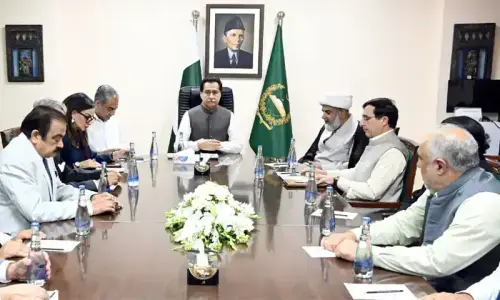
Both sides met in Islamabad for a meeting chaired by Interior Minister Chaudhry Nisar Ali Khan amid growing speculation that the negotiations had ended in a deadlock.
“The talks are not deadlocked, rather the meeting between the Taliban Shura and the government committee marks a big progress,” Haq said.
Asked if the meeting also focussed on the release of prisoners sought by the Taliban, he only said “all matters came up for discussion.”
The TTP has asked the government to release around 300 people including women and children it says are being held despite being “non-combatants.”
There have been suggestions that high-profile figures held by the militants, including the son of former prime minister Yousuf Raza Gilani, could be freed in return.
The peace talks were a key campaign pledge for Prime Minister Nawaz Sharif before he was elected to office for a third time last year.
But some analysts have voiced scepticism about their chances for success, given the Taliban's demands for nation wide Sharia law and a withdrawal of troops from the lawless tribal zones.
“It all looks sugar coated and it seems the problems still persist,” Hasan Askari, a leading security and political analyst, told AFP.
“The two sides do want to continue talks but have failed to evolve any credible formula to strengthen confidence and to address the contentious issues.”
“There are certain issues including withdrawal of army from tribal regions that will never be acceptable to the army because if accepted, it will create more safe heavens and make our neighbours including Afghanistan uncomfortable,” Askari said.
Regional deals struck in the past between the military and the Taliban have failed and some have accused the militants of using them as a means to regroup and rearm.