ISLAMABAD: The Organisation for Economic Cooperation and Development (OECD) has included Pakistan in the list of 51 ‘Fragile States 2014’ report for mobilising less than 14 per cent of GDP in tax revenue and high level of security situation.
Fragile states still collect less than 14pc of their GDP in tax revenues on average, well below the 20pc level considered necessary to meet poverty goals, OECD says in its report, “Fragile States 2014 – Domestic Revenue Mobilisation in Fragile States”.
OECD says that 1.4 billion people now live in countries considered fragile, up from 1.3 billion last year, out of a global population of 7 billion.
Fragile states which figure most consistently on such lists are Bangladesh, Myanmar, Madagascar, Niger and Pakistan.
Poverty experts were increasingly concerned about fragile states as they were home to a steadily rising number of poor and yet they are seeing aid levels tapered off.
Pakistan and six other countries were rated ‘high-risk’ and ‘non-cooperative jurisdictions’ by the Financial Action Task Force (FATF), the report says.
Of the 51 countries, examined in the report, 36 are involved in either the FATF, have FATF associate membership through a regional group, or are members of the Global Forum of Transparency and Exchange of Information for Tax Purposes.
More than half of official development assistance (ODA) to fragile states in 2011 went to just seven recipients. Afghanistan topped the list with $6.7bn, followed by Congo with $5.5bn. The next five were Ethiopia, Pakistan ($3.5bn), Kenya, West Bank and Gaza, and Iraq.
This means that in 2011, 44 fragile states including some of the poorest countries in the world each received on average less than half a percentage of global ODA.
In the OECD, the fragile states list is used to monitor the flows of ODA and other sources of finance available to fragile states.
According to OECD Forward Speeding Survey, ODA growth looks to be slowing down for fragile states. However, the largest future increases are expected to benefit mainly seven middle income countries including Pakistan.
The report advised fragile states to raise more domestic revenue to fuel development and reduce their reliance on external sources of finance. With an average tax-to-GDP ratio of less than 14pc in 2011, their capacity to mobilise revenue stands in stark contrast to other developing countries, where the average was 17 per cent and to OECD countries, with an average of 34pc.
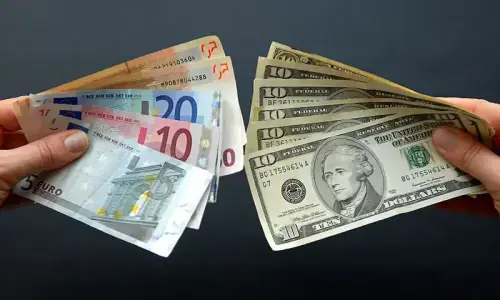
The report points out that several countries were currently looking into taxing remittances, and some already have hidden taxes by imposing overvalued official exchange rates for such transfers.
However, most experts today advise against a tax on remittances as it could affect recipient countries negatively in several ways.
International donors were not doing enough to help fragile states increase their domestic revenue, according to the report which shows only a tiny fraction of development aid goes into programmes to improve tax collection. Just 0.07pc of ODA to fragile states is directed towards building accountable tax systems.
Donors could also do more to channel aid into programmes that harness migrant remittances as another source of sustainable and home-grown development finance.
Over a third of those living on less than $1.25 per day are in the 51 countries the OECD views as fragile and the share is set to rise to a half by 2018.
ODA to fragile states fell by 2.4 per cent in 2011, by 0.3 per cent in 2012 and is likely to shrink further. Remittances equate to double the level of aid going to fragile states. Foreign direct investment is only half of the size of aid.
This year’s report recommends ways to direct more aid into projects that can expand tax collection while also helping to build accountability and create a social contract between states and citizens.
A related OECD initiative, ‘Tax Inspectors Without Borders’, will be launched this year to help poor countries combat tax evasion.