0
0

HYDERABAD: Speakers at a seminar on bonded labour urged the Sindh government to enact a law and formulate a policy to bring an end to the exploitation of the poor workers forced to work without a reasonable wage, social security and proper health care.
“There are three to eight million bonded labourers in the country and about 30 million in the world,” one of the speakers quoting figures from authentic sources told the audience at the seminar organised by the Bhandar Sangat in a local hotel on Saturday.
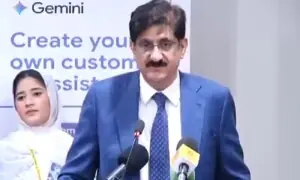
Federal Minister for Railways Abdul Hakeem Baloch, former Sindh information minister MNA Shazia Marri, Bhandar Sangat president Shaheen Ramzan, Bhagat Singh, Taj Marri, Dr Hassan Nasir, Amir Bukhsh Shar, Ghulam Mustafa Baloch, Ghulam Fatima, Uroosa Katti, Bashira Masih and others spoke at the seminar.
Describing bonded labour as ‘modern day slavery’, they said 800,000 peasants engaged in forced labour by feudal lords were denied even basic rights of free movement, education and health facilities and reasonable wage. About 200,000 families engaged to work on brick kilns were also denied these rights and facilities, they added.They said that brick kilns had lately been declared an industry but their workers were still not given the status of industrial workers and as such they were not covered under the labour laws. They were not registered with the social security and the old-age benefits institutions, they said.
The speakers called for necessary amendment to the Tenancy Act and its strict implementation to curb bonded labour. After the 18th constitutional amendment, legislation and policymaking on labour had come under the ambit of provincial governments, they noted, and said the Sindh government on the recommendations of all stakeholders should enact laws and ensure their implementation to check bonded, child and forced labour.
Railways Minister Abdul Hakeem Baloch said a law against bonded labourer did exist but was needed to be strictly implemented.
He said the government was focusing on the health and education sectors to cover the entire population of the country.
The minister also spoke on the ongoing ‘targeted operation’ in Karachi and said the desired results would be achieved when it would be intensified.
“Still, police stations are being auctioned and extortions were at work,” he observed, and said law and order could improve when a positive change was brought about at the level of police stations.
Mr Baloch also ruled out privatisation of the Railways, saying things had improved significantly and more improvement would be witnessed in the years to come.