As the United States prepares to redefine its role in South Asia in 2014, India and Pakistan send two of their most experienced diplomats to protect their interests in the American capital during this important period.
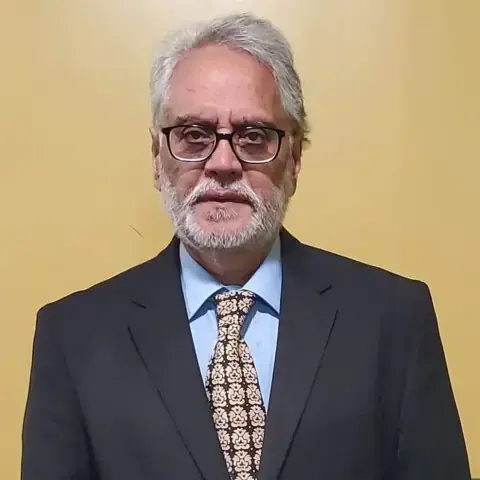
The new Pakistani ambassador, Jalil Abbas Jilani, arrives in Washington on Saturday, almost eight months after the previous envoy, Sherry Rehman, returned home when her party lost the general elections in May. The new Indian ambassador, S Jaishankar, arrived on Monday but like Jilani, he too will resume his official duties early next week, after the Christmas and New Year holidays.
Jilani, who was serving as foreign secretary before his new assignment, “hits the ground running,” as a senior Pakistani diplomat said.
As foreign secretary, Jilani visited the United States twice with Prime Minister Nawaz Sharif, in September to attend the UN General Assembly in New York and in October for the summit meeting with President Barack Obama.
He also visited the United States with the former foreign minister, Hina Rabbani Khar, and attended all key meetings between Pakistani and American leaders. Jilani also served at the Pakistan Embassy in Washington, from 1995 to 1999 and from here he went to New Delhi.
Jilani is the first career diplomat to head Pakistan’s mission in Washington after Ashraf Jehangir Qazi, who left the embassy in 2004 to represent the United Nations in Iraq.
Two retired generals, Jehangir Karamat and Mahmud Ali Durran, and two journalists, Hussain Haqqani and Sherry Rehman, followed Qazi.
After Rehman, the embassy was run by Deputy Chief of Mission Asad Majeed Khan for eight months, perhaps the longest serving DCM in Washington.
In media interviews before his departure, Jilani said his top priority in Washington will be to build on the positive momentum created during Ambassador Rehman’s short tenure.
In 2011, when the CIA discovered and eliminated Osama bin Laden in Abbottabad, US-Pakistan ties hit the rock bottom. The Raymond Davis affair and the US air raid on Salala that killed 28 Pakistani soldiers further strained the relations.
But in 2012, the situation began to improve as both sides decided to lower each other’s expectations and rebuild an issue-based relationship.
The US-Pakistan relationship will enter a new phase in 2014 when the United States plans to withdraw most of its combat troops from Afghanistan. Pakistanis fear that if India is allowed to fill the vacuum created after the withdrawal, it will cause new problems for Islamabad.
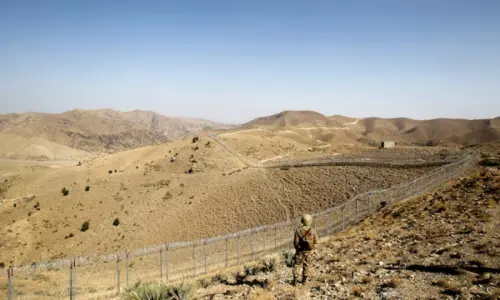
The Pakistanis already blame India of using the Afghan territory for stirring troubles in Balochistan and want the Americans not to ignore Islamabad’s interests in their haste to quit Afghanistan.
India has similar concerns about Pakistan. The Indians do not want the Americans to give Pakistan a key role in the post-2014 Afghanistan as they believe that it will give Pakistan yet another opportunity for re-starting the Kashmir jihad.
The expectations will further complicate an already difficult task for the two new envoys — keeping America on their side.
The Americans, however, have made it clear that both India and Pakistan have significant roles in stabilising Afghanistan. Instead of playing one against the other, they expect both countries to cooperate with them to avoid further bloodshed.
Ambassador Jaishankar also comes amid a raging diplomatic row over the arrest of senior diplomat Devyani Khobragade on visa fraud charges in New York earlier this month.
Till recently Jaishankar was India's Ambassador to China. Known as one of the brightest Foreign Service officials of his generation, Jaishankar played a key role in the India-US civilian nuclear deal.
Jaishankar, who is proficient in Russian, and knows Japanese and Hungarian, succeeds Nirupama Rao. He was also the press secretary of the president of India from 1994 to 1995.
From 2000 to 2004, he was India’s ambassador to Czech Republic and was the high commissioner of India to Singapore from 2007 to 2009.