KARACHI: Bangladesh on Tuesday sought an explanation from Pakistan’s envoy in Dhaka regarding a resolution adopted by the Pakistani parliament condemning execution of Jamaat leader Abdul Quader Molla for his involvement in war crimes of 1971.
Bangladesh's foreign ministry, in a statement, said that Molla’s trial and punishment was the country’s internal affair and the resolution adopted by Pakistan’s National Assembly in this regard was uncalled for.
Pakistan’s high commissioner in Dhaka, Mian Afrasiab Mehdi Hashmi Qureshi was summoned to explain the matter in this regard, it said.
The 65 years old Jamaat-e-Islami leader was hanged on Thursday for his involvement in war crimes during Bangladesh’s war of independence from Pakistan in 1971.
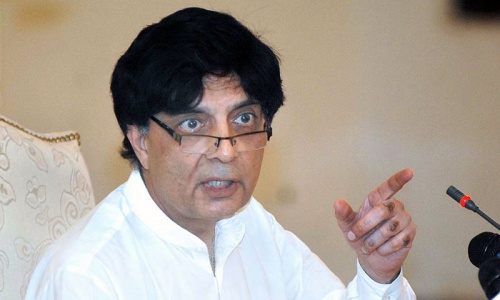
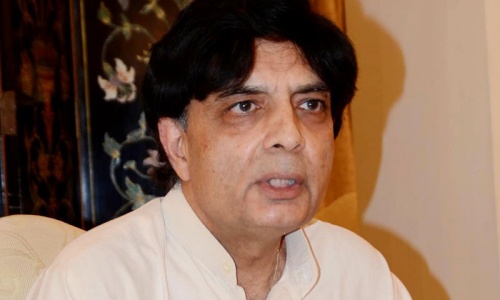
The lower house of parliament in Pakistan on Monday blew hot and cold over the execution, ending up with just an expression of “concern” by a divided house at what Interior Minister Chaudhry Nisar Ali Khan said was “judicial murder.”
The government and its allies as well as the opposition Pakistan Tehrik-i-Insaf (PTI) of Imran Khan tried hard for a show of parliamentary consensus on the 42nd anniversary of “fall of Dhaka” as they supported a resolution proposed by the opposition Jamaat-i-Islami (JI) seeking to condemn the execution of Bangladeshi Jamaat-i-Islami’s Abdul Quader Molla.
But the opposition Pakistan People’s Party (PPP) and the Muttahida Qaumi Movement (MQM) refused to sign the draft and openly opposed it for different reasons in speeches before the house passed a toned down resolution by voice vote.
Contrary to a mild comment made by the foreign ministry on Friday, Chaudhry Nisar used some tough language in the house, saying Mr Molla’s hanging had “opened old wounds again.”
The original JI draft had wanted the house to “strongly condemn” the hanging, but an amended draft that was moved by a party member from Khyber Pakhtunkhwa (KP) province, only “expressed concern” of the house over the hanging of Molla for what it called “supporting Pakistan in 1971.”
It urged the Bangladesh government to “not revive the issues of 1971” and “terminate all cases registered against the leaders of Jamaat-i-Islami, Bangladesh, in a spirit of reconciliation.”
Country-wide protests and funeral prayers in absentia were held by the activists and supporters of the JI in Pakistan following the hanging in Dhaka.
Pakistan’s armed forces are alleged to have carried out war crimes in1971 and the Bangladesh government has been seeking a public apology from Pakistan which is yet to abide by the demand of its South Asian neighbour officially.