ISLAMABAD, Nov 17: The Global Climate Risk Index 2014 has ranked Pakistan among the three most affected countries worldwide for three consecutive years by climate-related catastrophes. The Germanwatch climate risk index shows that the most severe weather-related catastrophes occurred in Haiti, the Philippines and Pakistan. The ninth annual index was released at the onset of the Climate Summit in Warsaw. The summit is expected to chart a road map for an ambitious 2015 agreement.
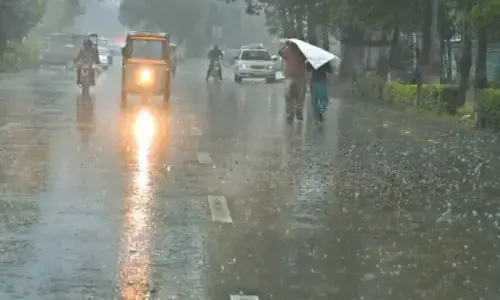
Pakistan, which already suffered severe flooding in 2010 and 2011, was struck again by a rough monsoon season, killing over 650 people. Ranked third among 10 most-affected countries, losses to Pakistan were 9.53 per cent of per unit GDP, while absolute financial losses were $6087.82 million, while deaths per 100,000 inhabitants were 0.37.
Over the past years, the Philippines, Pakistan and Russia have appeared several times in the ‘down 10 list’. In December 2012, the Philippines was hit by typhoon Bobha which claimed over 1400 lives, topping the list of most human casualties of the year for the second year in a row, according to the index.
According to key results of the index, people all over the world have to face the reality of climate variability in many parts of the world. More than 530,000 people died as a direct result of almost 15,000 extreme weather-related incidents with losses of more than $2.5 trillion occurring from 1993 to 2012 globally.
In recent years, thousands of people across the world had to face severe extreme events, exceptional both regarding the lives lost and economic damages as well as their meteorological magnitude.
In the pre-monsoon month of May, Pakistan saw its most severe heat wave in decades. The temperature reached 51°C in Larkana on May 19, the highest May temperature in that city since 1998. Damages to cotton crops and rice paddies were reported and more than 100 people died.
Large areas in south west Asia, including India, Pakistan and western China, experienced above-average rainfall due to an active Indian monsoon, which was one of the longest on record.