WITH a single appointment, the TTP has sent across a host of unwelcome messages. First, it has signalled that its campaign is not just about the Mehsuds or Waziristan or even Fata — it is a national agenda. Mullah Fazlullah’s aim always has been and still is about installing the Taliban’s version of Sharia across the country. So gone is the fig leaf of the TTP being a parochial movement that ultimately cares only about its own backyard in Fata.
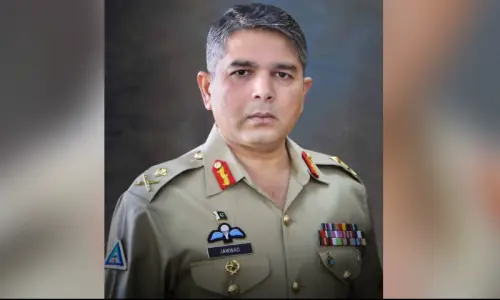
Second, the TTP has signalled to the army that the military is its biggest enemy. Fazlullah took great pride in the assassination of an army general after the country’s political leadership had endorsed talks with the TTP. Of course, the militant from Swat has a long history with the Pakistan Army, one that turned decisively and irreversibly ugly in 2009. If his predecessor Hakeemullah Mehsud preferred to confuse and disorient the state with his talk of peace while simultaneously waging war, Fazlullah is a more direct kind of militant: he knows what he wants — Pakistan — and he will attack until either the state capitulates or he is eliminated, whichever comes first.
Third, a message has been sent that the fight in Pakistan is not about the US military presence in Afghanistan — though it remains to be seen if the political class and sections of the public will absorb this lesson. Mullah Fazlullah does not reside in Pakistan, he now hides out across the border in Afghanistan. If militancy in Pakistan is really a by-product of the war in Afghanistan, then why does Fazlullah prefer to attack Pakistan instead of fighting the Americans in his new backyard? There is an even simpler way to debunk the myth of the fight against militancy being a post-9/11 creation. The TNSM that was the precursor to Fazlullah’s Swat TTP chapter waged a war against the Pakistani state a decade before 9/11 even happened. And if the US killed Hakeemullah Mehsud simply to scuttle the possibility of dialogue with the TTP, it is the TTP itself that has chosen a new leader who is emphatically against talks — how does a state talk to a group that emphatically rejects the very possibility of talks? The real challenge is now for the government. Lamenting the perceived blow to the possibility of dialogue is not policy. If the concessions to the Mehsud-led TTP were problematic enough, serious thought needs to be given to validating the Fazlullah-led TTP. There is already a state — Pakistan — and there can be no room for another one.