0
0

ISLAMABAD, May 5: Pakistan will seek next week support of multilateral and bilateral lenders to fund its over $40 billion programmes relating to infrastructure development, energy and economic growth so that it could become multiple corridor for energy, trade and transportation for the region.
The government in collaboration with the World Bank has convened the sixth annual meeting of the Pakistan Development Forum (PDF-2006) on May 10-11 to get commitments from its development partners for the next year’s development programme.
The PDF, formerly Aid-to-Pakistan Consortium, is an annual feature ahead of federal budget aimed at presenting the country’s economic performance and development needs to the international lenders. The PDF meeting sets the stage for multilateral funding arrangements and individual loan commitments.
The theme of this year’s PDF is “Drivers of Economic Growth - Unleashing the Potential of the Private Sector”. President Pervez Musharraf and Prime Minister Shaukat Aziz are also expected to attend the conference.
Previous PDFs were used to outline Pakistan’s development partners the wide-ranging reform programme initiated by the government. The PDF 2006 specifically seeks to highlight its pro-growth, pro-investment and pro-poor policies at nine sessions devoted to specific sectors.
These include: the private sector, the SME sector, second-generation reforms, environmental sustainability, social protection, infrastructure, Millennium Development Goals, devolved services and aid effectiveness.
The government will be attempting to showcase Pakistan’s achievements to date, as well as the challenges it faces in pursuit of these policies and its future strategy.
The forum will also be an opportunity to gauge the nature of the partnership requirements with Pakistan’s development partners in not only helping to meet those challenges but also in contributing to a reformed social, economic and political landscape.
Two sessions would be dedicated to economic growth, specifically to the role of the private sector and small and medium enterprises (SMEs) respectively and improving competitiveness through private sector. Another session will relate to environmental sustainability and social security and safety nets for poverty reduction.
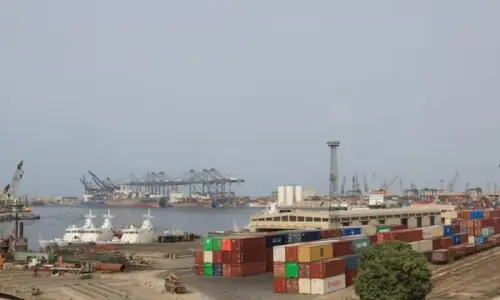
The most crucial sectors where the lenders support is required would be infrastructure development for economic growth. In this sector, broad parameters of strategy for energy, water and national trade corridor will be presented as government’s top priority.
Focus will also be on second generation reforms including agriculture, power, banking, civil service as well as on-going legal reforms and the challenges it faces.
The penultimate session “Improving Aid Effectiveness through Implementation of Paris Declaration” will also look at where the government and development partners stand on their respective commitments and lay out a roadmap for the coming year.